Brule River State Forest Hunting
Many hunters feel overwhelmed when looking at vast stretches of public land, unsure where to start or what to expect. The Brule River State Forest, stretching along the famous Brule River in northwestern Wisconsin, is one of those places—a truly wild and beautiful landscape that offers exceptional hunting opportunities, but demands a thoughtful approach. This guide will walk you through the unique characteristics of hunting in the Brule River State Forest, from its diverse wildlife to the strategies and tools you'll need to make your hunt both successful and rewarding.
Unveiling the Brule River State Forest: A Unique Wisconsin Hunting Destination
The Brule River State Forest isn't just another patch of woods; it's a tapestry of diverse habitats woven around one of the state's most iconic rivers. This unique environment shapes every aspect of the hunting experience, from the species you'll encounter to the tactics that prove most effective. If you’re picturing wide-open farmland or rolling hills, you need to adjust your mental map, because the Brule offers a distinctly northern Wisconsin challenge and reward.
The Landscape and Its Ecological Significance for Game
Imagine a landscape dominated by towering white and red pines, interspersed with mixed hardwoods like oak, maple, and birch, and dense cedar swamps. The forest floor can be thick with undergrowth, making every step a deliberate decision. Then, threading its way through this wilderness, is the legendary Brule River itself—a National Scenic River known for its cold, clean water and historic significance. This river and its numerous spring-fed tributaries create corridors of unique riparian habitat, acting as natural highways for wildlife and drawing in a variety of species.
The diverse topography, from sandy uplands to low-lying wetlands, ensures a rich ecosystem. Mature timber provides mast crops in the fall for deer and bear, while younger aspen and birch stands, often found in regenerating clearcuts, are crucial for ruffed grouse and snowshoe hares. The cedar swamps offer vital winter cover for deer, protecting them from harsh northern Wisconsin winters. Understanding these micro-habitats is key to unlocking the forest's hunting potential. You can almost see the distinct lines on an aerial map that indicate where the deer will travel, where the grouse will flush, and where a bear might be finding sustenance.
Key Game Species Residing Within the Forest
The Brule River State Forest is a haven for several sought-after game species, each presenting its own set of challenges and opportunities. While Wisconsin is famous for its whitetails, the deer found in this northern forest environment are often different from their farmland counterparts.
- White-tailed Deer: Deer in the Brule tend to be more elusive, accustomed to dense cover and lower densities than in agricultural areas. You're less likely to see large herds, but the bucks that call this wilderness home are often mature, hardy animals. They are masters of using the thick conifer swamps and natural terrain to their advantage, making for a challenging but incredibly rewarding hunt. Expect to work harder for your deer here, but the sense of accomplishment is unmatched. For a deeper dive into what influences deer numbers in these areas, you might be interested in Northern Forest Deer Density in Wisconsin.
- Ruffed Grouse and American Woodcock: This forest is prime territory for upland bird hunters. Ruffed grouse thrive in the successional aspen and birch stands, as well as along the edges of clearcuts and natural openings. The damp, rich soil and dense cover along the Brule River and its tributaries make it exceptional woodcock habitat, especially during their fall migration. Finding a flush in the thick alder runs is a quintessential Brule experience. Grouse and Woodcock Hunting in Wisconsin goes into more detail on how to pursue these dynamic birds.
- Black Bear: With its vast stretches of undeveloped land and abundant natural foods, the Brule River State Forest supports a healthy black bear population. Bear hunting here requires patience, extensive scouting, and often a deep understanding of their movements and food sources. While many bear hunts in Wisconsin involve baiting, the vastness of the Brule also lends itself to still-hunting or stalking opportunities for those willing to put in the legwork.
- Waterfowl: The Brule River itself, along with its associated sloughs, oxbows, and wetlands, provides habitat for various duck species, particularly wood ducks, mallards, and often some divers. Jump shooting the river can be an exciting way to hunt, or you can find quieter backwaters to set up a small spread. For more general insights into waterfowl, check out Wisconsin Waterfowl Hunting on Marsh and River.
- Other Small Game: Beyond the headline species, the forest also offers opportunities for rabbit and squirrel hunting, particularly in areas with good mast production or thick brush.
Essential Preparation for Brule River State Forest Hunting Success
Hunting in a state forest, especially one as rugged and wild as the Brule, demands more than just showing up with your gear. Proper preparation is absolutely critical for a safe, successful, and enjoyable experience. This isn't your backyard woodlot, and the scale of the landscape means you need to be self-sufficient and informed.
Navigating the Forest with Maps and Technology
One of the biggest hurdles for new hunters in the Brule River State Forest is navigation. The forest is expansive, and while there are logging roads and trails, it's easy to get disoriented, especially once you push off the beaten path into thicker cover. This is where modern tools become indispensable.
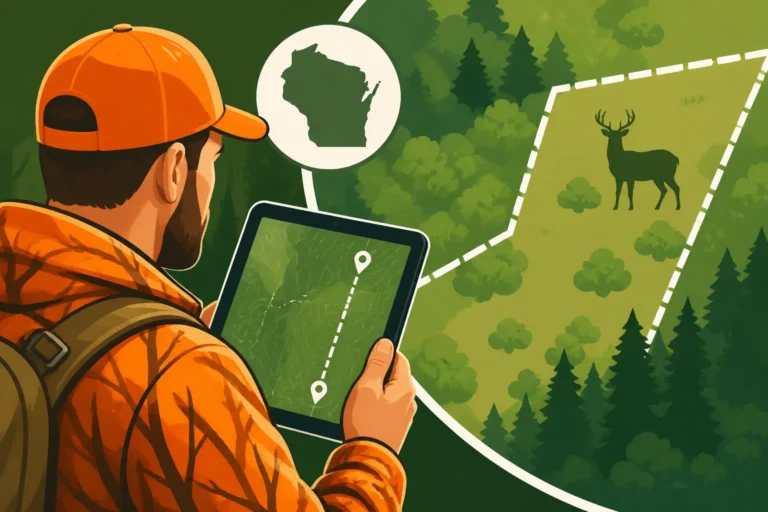
Before you even leave home, dedicate time to digital scouting. Platforms like onX Hunt are invaluable for this. You can overlay satellite imagery with property lines, access roads, and topographic maps, giving you an unparalleled view of the terrain. Look for changes in timber type, transition zones, old logging trails, and potential bedding areas or food sources. These tools allow you to mark waypoints, measure distances, and plan your routes, greatly reducing wasted time and the risk of getting lost. Don't just look at the map; read it. Understand the contours, the low spots, the high ground, and how they might funnel game.
When you're actually in the field, having that digital map on your phone or a dedicated GPS unit is a lifesaver. Cell service can be spotty or non-existent in many parts of the Brule, so make sure your apps, like onX Hunt, are set up for offline use and that your device is fully charged, perhaps with a portable power bank. While technology is fantastic, never underestimate the value of a physical map and compass as a backup. There's a certain peace of mind that comes from knowing you have a reliable analogue option if your electronics fail. Remember to take a look at Scouting Wisconsin Public Land Before Season for more general scouting tips that apply perfectly to the Brule.
Understanding Regulations and Hunter Safety on State Land
Hunting on any state land comes with specific regulations that hunters must adhere to, and the Brule River State Forest is no exception. These rules are in place to ensure safety, manage wildlife populations, and preserve the natural resource for everyone. Always consult the most current Wisconsin Department of Natural Resources (DNR) regulations pamphlet before your hunt, as rules can change annually.
- Licensing and Permits: Ensure you have all the necessary licenses and tags for the species you intend to hunt. This includes your general hunting license, species-specific authorizations (like deer tags, turkey permits, bear permits), and any required stamps (like the Wisconsin Waterfowl Stamp or Federal Duck Stamp). You can generally handle all your licensing needs through the GoWild system.
- Blaze Orange/Pink: Wisconsin has specific requirements for wearing blaze orange or blaze pink during certain hunting seasons. For instance, during the gun deer season, hunters must wear a minimum amount of outer clothing in these highly visible colors. This is for your safety, especially in areas that might see higher hunter traffic. Details can be found in How Much Blaze Orange Wisconsin Requires.
- Treestand and Blind Rules: State forests often have rules regarding the placement and removal of treestands and ground blinds. Typically, stands cannot be left unattended overnight for extended periods, and many require the hunter's DNR customer ID number to be clearly affixed. Always check the specific rules for the Brule River State Forest to avoid fines or losing your equipment. Treestand Rules on Wisconsin Public Land offers broader guidance on this.
- Vehicle Access: While many logging roads provide access, some areas might be designated as walk-in only or have seasonal vehicle restrictions. Respect these signs and closures to protect the integrity of the forest and prevent habitat damage.
- Baiting and Feeding: Be acutely aware of Wisconsin's baiting and feeding regulations. Many counties have baiting bans due to Chronic Wasting Disease (CWD) concerns. Always verify if Douglas County, where the Brule River State Forest is located, has any current restrictions.
- Safety First: Beyond regulations, prioritize hunter safety. Always know your target and what is beyond it, especially in dense cover. Hunt with a plan, communicate with any hunting partners, and let someone know your itinerary if you're hunting alone. The vastness of the Brule means help might be a long way off.
Strategic Hunting Approaches for Brule River Whitetails, Birds, and Bear
Once you've done your homework and understand the landscape and regulations, it's time to think about strategy. Hunting the Brule River State Forest isn't about sitting on a food plot; it's about embracing the wilderness and adapting your methods to the environment.
Deer Hunting Strategies in the Northern Forest
Whitetail deer in the Brule River State Forest require a different mindset than those in typical agricultural areas. They are creatures of the deep woods, often less visible and more prone to using heavy cover to evade predators.
- Still-Hunting and Slow Movement: This is perhaps one of the most effective methods in the Brule. Moving slowly and deliberately through the timber, pausing frequently to scan and listen, allows you to cover ground while remaining stealthy. Focus on areas with varied topography, transition lines between different timber types (e.g., hardwood ridges dropping into cedar swamps), or along the river's edge. Deer will often utilize these transitions for travel and concealment. Imagine yourself as part of the forest, blending in with every step.
- Understanding Cover and Bedding Areas: Bucks in the northern forest often bed in thick cover, such as dense conifer stands, tag alders, or even blown-down timber. Pay attention to fresh sign like rubs and scrapes, especially along old logging roads or trails that run parallel to dense cover. Understanding Where Northern Forest Bucks Bed can give you a significant advantage.
- Stand Placement on Travel Corridors: While widespread food plots are rare, deer will still travel specific corridors. Look for natural funnels created by terrain features, logging roads, or thick swamps. Setting a stand or ground blind overlooking these pinch points can be productive. Consider prevailing winds and thermals, especially near the river, which can act as a natural draft.
- Late Season Considerations: As winter approaches and snow blankets the forest, deer movements can become more predictable, often concentrating in cedar swamps for thermal cover and browse. Hunting during this time, especially after a fresh snow, can make tracking easier and reveal deer patterns. For insights into cold-weather deer hunting, refer to Hunting Deer in Deep Northern Wisconsin Snow.
Upland Bird and Waterfowl Pursuits
The Brule River State Forest shines for upland bird hunters, offering classic northern Wisconsin grouse and woodcock opportunities.
- Ruffed Grouse: Concentrate your efforts in young forest growth, particularly aspen clearcuts that are 5-20 years old. These areas provide the dense cover and food sources (buds, catkins) that grouse rely on. Walk slowly, paying attention to thickets and edges. A good bird dog is an immense asset, but persistent hunters can flush birds by systematically working cover. Focus on areas where mature timber meets younger regeneration. Grouse Hunting Wisconsin Aspen Cover is a must-read for this specific pursuit.
- American Woodcock: These migratory birds are found in moist, young woodlands, especially alder runs and willow thickets along the Brule River and its numerous feeder creeks. They probe the soft ground for worms. Their migration typically peaks in October, so timing your hunt can be crucial for encountering larger numbers. Hunting woodcock often involves working these wet, dense areas, and their erratic flight makes for challenging shooting.
- Waterfowl: The Brule River itself offers jump-shooting opportunities for ducks. Sneak along bends, using bank cover to surprise birds resting or feeding. For a more static hunt, scout small sloughs, backwaters, or beaver ponds off the main river. A small boat or canoe is helpful for accessing these areas. Minimal decoy spreads are often all you need, focusing on natural-looking setups. Learning more about Jump Shooting Wisconsin Rivers can refine your approach here.
Bear Hunting Considerations in Brule's Backcountry
Bear hunting in the Brule River State Forest is a serious endeavor, reflecting the wild nature of the area and the intelligence of the bears themselves.
- Permit System: Wisconsin's bear hunting is highly regulated, utilizing a preference point system for permits allocated to specific zones. The Brule River State Forest falls within Zone A, which is popular. You'll need to apply for a bear permit well in advance, and it often takes several years to draw a tag.
- Scouting for Natural Food Sources: If hunting without bait (which is common for those who prefer more traditional methods or in areas where baiting is restricted), extensive scouting is paramount. Look for natural food sources like acorns (especially from white oaks), beechnuts, berries (blueberries, raspberries), and areas where bears might be feeding on corn in adjacent agricultural fields. Bear sign like scat, torn-up logs, and claw marks on trees are crucial indicators.
- Still-Hunting and Glassing: For hunters not using dogs or bait, still-hunting through dense bear habitat can be effective, though incredibly challenging. Focus on areas where natural food sources are abundant or where bears might be traveling between bedding and feeding areas. High points offering visibility into dense valleys can also provide glassing opportunities, particularly at dawn and dusk.
- Safety and Gear: Bear hunting in thick cover requires appropriate caliber firearms and sturdy, sharp knives for field dressing. Always be aware of your surroundings, especially if you encounter a sow with cubs. Carrying bear spray is a wise precaution in dense bear country.
| Game Species | Preferred Brule River Habitat | Primary Hunting Tactic |
|---|---|---|
| White-tailed Deer | Mixed conifer/hardwood, cedar swamps, river edges | Still-hunting, stand hunting near transitions |
| Ruffed Grouse | Aspen cuts, alder thickets, young forest growth | Walking with dog or slow methodical flushing |
| American Woodcock | Alder runs, wet edges along river/tributaries | Dog work, still-hunting moist thickets |
| Black Bear | Dense conifer swamps, remote hardwoods | Still-hunting, scouting for natural food |
| Ducks/Geese | Brule River, associated sloughs and wetlands | Jump shooting, small decoy spreads |
| Squirrels/Rabbits | Hardwood ridges, brushy thickets | Stalking, still-hunting, small game drives |
| Predators | Forest edges, open areas | Calling, still-hunting |
Hunting the Brule River State Forest is an experience that harkens back to a wilder time. It's not a place for the faint of heart or those seeking easy opportunities. It demands effort, preparation, and respect for the wilderness. But for those willing to put in the work, the rewards—a hard-earned buck, a thundering grouse flush, or simply the solitude of the northern woods—are truly unforgettable. This forest offers a genuine challenge and a deep connection to Wisconsin's natural heritage, making every hunt a story worth telling. Using Hunt Wild Without Cell Service might also be helpful for hunters planning to venture deep into the forest where connectivity is scarce.
Disclaimer
This article is for general informational purposes only and does not constitute professional advice. Laws, prices and regulations vary by location and change over time. Consult a qualified professional for guidance on your specific situation.