Horicon Marsh Hunting Access
Horicon Marsh. Just hearing the name conjures images of thousands of waterfowl, the air thick with the sound of wings and calls. It's a legendary hunting destination in Wisconsin, a true gem. But if you’ve ever tried to plan a hunt there, you know it can feel less like a straightforward marsh hunt and more like navigating a bureaucratic labyrinth. This guide is here to untangle the complexities of Horicon Marsh hunting access, helping you understand where you can go, what you need, and how to maximize your chances for a successful outing.
Understanding the Horicon Marsh Complex: State vs. Federal Lands
One of the biggest initial hurdles for anyone looking to hunt Horicon Marsh is understanding that it's not just "Horicon Marsh." It's actually a sprawling mosaic of land managed by two distinct entities: the federal government and the state of Wisconsin. This dual management means two sets of rules, two different application processes, and often, two very different hunting experiences. It's enough to make your head spin before you even pick up a decoy bag.
The Horicon National Wildlife Refuge Federal Side
Picture this: you've driven all the way to Horicon, full of anticipation, only to realize the prime waterfowl habitat you're looking at is part of the Horicon National Wildlife Refuge. This federal property, managed by the U.S. Fish and Wildlife Service, makes up the northern two-thirds of the marsh. It’s an incredibly important area for migrating birds, and because of that, public access for hunting is tightly controlled and often very limited.
The federal side operates primarily on a quota-based, special permit draw system for waterfowl hunting. This isn't a place where you can just show up on opening day with your waders and a shotgun. You'll need to apply, usually months in advance, for specific hunt dates and zones. The process can feel a bit like winning the lottery, given the popularity and the sheer number of hunters hoping for a golden ticket. It's frustrating, I know, especially when you can see the birds but can't legally pursue them without the right permit. This strict regulation is designed to minimize disturbance to nesting and resting birds and ensure a quality experience for those who do draw a tag, but it can certainly test your patience.
When you do manage to draw a permit for the refuge, you’ll find that the rules are incredibly specific, often dictating everything from shooting hours to how many decoys you can use, and even where you can park. It's crucial to read every single piece of information they send you. Missing a detail could mean an early end to your hunt or worse. The refuge prioritizes waterfowl conservation, and every regulation reflects that, creating a more controlled and often less crowded hunting environment for the lucky few.
The Horicon Marsh State Wildlife Area State Side
South of the federal refuge lies the Horicon Marsh State Wildlife Area, managed by the Wisconsin Department of Natural Resources (DNR). This portion of the marsh offers a different flavor of hunting access, often feeling a bit more "traditional" Wisconsin public land, though still with its own unique layers of regulation, particularly for waterfowl. It encompasses the southern third of the marsh and generally provides more direct public hunting opportunities, albeit still under specific rules.
Unlike the federal side's heavily restricted draw system, the state wildlife area often allows for more general access during established hunting seasons, though certain zones within the state property might still have specific rules or even a quota system, especially for waterfowl. For example, some areas might be open for general duck and goose hunting, while others could be designated as "controlled hunting zones" that require special permits or have unique entry procedures. It’s critical to consult the annual DNR regulations specific to Horicon Marsh, as these rules can change year to year based on bird populations and management goals.
Hunting on the state side often means more competition for prime spots, especially during the early waterfowl seasons. You'll encounter a mix of hunters, from those with elaborate decoy spreads and layout blinds to those jump-shooting ditches and smaller sloughs. While the access can be more straightforward than the federal refuge, don't mistake that for simple hunting. The birds on Horicon are some of the wariest you'll find, having been educated by countless hunters up and down the Mississippi Flyway. It’s a place where adaptability and persistence truly pay off.
Navigating the Permits and Application Processes
The permit system at Horicon Marsh is arguably the most daunting aspect for new and even experienced hunters. It's not a one-size-fits-all situation, and understanding which permit applies to which section of the marsh is paramount to avoid disappointment or, worse, a citation.
Federal Refuge Draws and Special Regulations
If your sights are set on hunting within the Horicon National Wildlife Refuge, be prepared for a competitive application process. The refuge typically offers limited hunts for specific species, primarily geese and sometimes ducks, through an annual draw. This means you’ll need to apply well in advance of the hunting season, often during the summer months. The application windows are usually advertised on the U.S. Fish and Wildlife Service website and through local refuge offices. Missing a deadline means missing your chance entirely for that year, which is a common frustration for many hopeful hunters.
The regulations accompanying these federal permits are incredibly detailed. Hunters who draw a tag might be assigned a specific hunting unit, a designated blind, or even specific entry and exit times. There are often strict rules on ammunition, shooting hours, and even whether you can bring a dog. It’s not uncommon for hunters to find that their drawn permit is for a day with less-than-ideal weather, or for a zone that might not be holding many birds. However, if you are drawn, it offers a unique, less pressured hunting experience on some of the most productive waterfowl habitat in the country. The high demand for these limited tags speaks to the quality of the hunting when conditions align.
It's really important to keep an eye on federal publications and websites for the most current information regarding their draw periods, application procedures, and specific regulations. Don't rely on last year's rules, as they can definitely change. This is where tools like GoHunt might help with notification or information consolidation, though always cross-reference with the official federal sources.
State Wildlife Area Permits and General Season Rules
Hunting the Horicon Marsh State Wildlife Area is generally more accessible, but still requires careful attention to specific zone regulations. While much of the state property operates under general state waterfowl and small game regulations, there are historically certain "controlled hunting zones" within the state marsh that might require a separate permit or have special daily draw systems. These zones are usually designed to manage hunter pressure and ensure a quality experience, especially during peak migration.
For most general waterfowl hunting on the state side, you'll need your standard Wisconsin hunting license, a Wisconsin waterfowl stamp, and federal duck stamp. Beyond that, pay close attention to the DNR's specific Horicon Marsh hunting regulations, which are published annually. These will detail open hunting areas, restricted zones (like refuge areas or bird sanctuaries within the state marsh), shooting hours, and any special requirements for waterfowl hunting. For instance, some areas might restrict certain types of boats or require non-toxic shot in specific gauges, which is common in wetland environments. Remember to check out the details on Wisconsin Waterfowl Stamp Requirements before you head out.
The state side can be an excellent option for hunters who prefer a bit more flexibility or who aren't successful in the federal draws. It demands more diligent scouting and a willingness to work for your birds, but the opportunities can be just as rewarding. You'll find a wide range of habitat, from open water to cattail fringes and flooded timber, each presenting its own challenges and rewards.
Strategies for Successful Access and Hunting at Horicon
Once you've wrapped your head around the permit situation, the next step is planning your actual hunt. Horicon Marsh is a massive, dynamic ecosystem, and successful hunting here isn't just about showing up with a shotgun. It requires thoughtful preparation, smart tactics, and an understanding of the birds and their environment.
Scouting and Planning Your Hunt
Scouting is absolutely non-negotiable at Horicon. This isn't a small local pond; it's a huge, complex marsh. Before you even think about setting up decoys, you need to know where the birds are, where they're feeding, and how they're entering and exiting their roosting areas. This might involve multiple trips before the season opens, observing flight patterns at dawn and dusk, looking for concentrations of birds, and identifying potential access points that aren't already taken.
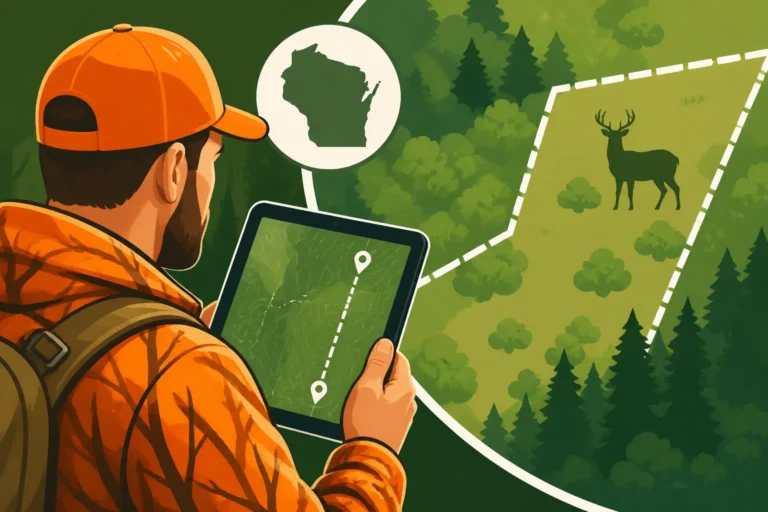
Using modern mapping tools like onX Layers for Wisconsin Land Status or the Using the Wisconsin Hunt Wild App can be a game-changer. These apps allow you to overlay public and private land boundaries, identify access roads, and mark potential hunting spots from the comfort of your home. You can also use them to find subtle features like sloughs, dikes, and pockets of emergent vegetation that might hold birds. For instance, knowing precisely where the federal refuge boundary ends and the state public land begins is absolutely crucial to avoid trespassing or hunting in a restricted zone. Planning your entry and exit routes, especially in the dark, is also vital given the marshy terrain. Don't underestimate the physical demands; a long walk through muck and cattails with gear in tow is common. For more general advice on getting ready for the season, check out Scouting Wisconsin Public Land Before Season.
Gear and Tactics for Horicon's Unique Environment
Horicon's marsh environment demands specific gear and adaptable tactics. First and foremost, a good pair of waders is essential – not just for wading, but for navigating the muddy banks and soft bottoms. Depending on where you plan to hunt, a marsh boat or canoe might be indispensable for reaching more secluded spots or deploying large decoy spreads. These shallow-draft vessels are perfect for pushing through cattails or across open water. You might want to review Waders for Wisconsin Marsh Hunting and Marsh Boats and Push Poles for more details.
When it comes to decoys, think variety and numbers, especially for geese. Large spreads of Canada goose decoys, coupled with a few full-body duck decoys, can be very effective in attracting birds. Calling, both duck and goose, is also critical. The birds here are educated, so realistic calling that matches the flock's mood is key. Sometimes aggressive calling works, other times a soft greeting is all it takes. For ideas on building your spread, look into Decoy Spreads for Wisconsin Divers.
As for tactics, jump shooting can be effective along the edges of ditches and smaller sloughs on the state land, especially early in the season or after a fresh cold front pushes new birds in. For more static hunting, portable blinds or natural cover are often used. If you're hunting an open-water scenario, layout blinds can offer excellent concealment. Remember that Horicon can get extremely crowded, so arriving early to secure a desired spot, or being willing to walk further than others, can significantly improve your chances.
| Aspect | Horicon National Wildlife Refuge (Federal) | Horicon Marsh State Wildlife Area (State) |
|---|---|---|
| Management Body | U.S. Fish and Wildlife Service | Wisconsin Department of Natural Resources (DNR) |
| Primary Access | Lottery/draw for specific dates/zones | General public access, some controlled zones |
| Permit Requirement | Special federal permit required for hunting | Standard WI hunting license, state & federal stamps |
| Hunting Style | Highly regulated, assigned blinds/units | More self-directed, higher competition |
| Focus Species | Primarily geese, some ducks (very specific) | Ducks, geese, some small game (varies by zone) |
| Crowd Level | Lower due to limited permits | Higher, especially during peak season |
| Regulations | Extremely detailed, specific to refuge hunt | General state regs, specific Horicon Marsh rules |
| Best For | Hunters seeking a controlled, quality waterfowl hunt | Flexible hunters, diverse hunting opportunities |
Key Species and Seasons: What to Expect
Horicon Marsh is primarily known as a waterfowl mecca, but its diverse habitat supports a variety of game species. Understanding what's available and when is crucial for planning your hunting adventures here.
Waterfowl Opportunities: Ducks and Geese
When most people think of hunting Horicon Marsh, they envision flocks of ducks and geese. And for good reason! The marsh is a critical stopover point on the Mississippi Flyway, drawing in immense numbers of Canada geese, mallards, wood ducks, green-winged teal, and other dabbling and diving ducks throughout the fall migration. The sheer volume of birds can be staggering, particularly during the peak migration periods in October and November. Timing your hunt with these movements is key, and resources like Wisconsin Waterfowl Migration Timing can give you a better idea of what to expect.
Canada geese are perhaps the most iconic species hunted at Horicon. The area around Horicon Marsh has a long history of being a primary staging ground for hundreds of thousands of geese. While the hunting on the federal refuge is highly coveted for geese, the surrounding state lands and agricultural fields offer abundant opportunities for field hunting or pass shooting as geese move to and from feeding areas. You'll definitely want to read up on Canada Geese at Horicon Marsh if you're targeting them. Duck hunting on the state side can also be fantastic, particularly in the early season for teal and wood ducks, and later for mallards and other puddle ducks. Success often hinges on finding less pressured pockets of water or setting up where ducks are consistently flying between different sections of the marsh.
Other Hunting Opportunities Beyond Waterfowl
While waterfowl undeniably dominates the narrative at Horicon, there can be other hunting opportunities, especially on the state wildlife area. The fringes of the marsh and upland areas might hold pheasants, especially in agricultural landscapes or where habitat management focuses on these upland birds. While Horicon isn't primarily a pheasant destination, it's worth checking the specific regulations for any pheasant release programs or general season information. For more on this, you might explore Wisconsin Pheasant Season and Stamp.
Small game, such as rabbits and squirrels, might also be present in the more wooded or brushy sections of the state wildlife area. These opportunities are often overlooked by hunters focused solely on waterfowl, potentially offering a quieter experience. However, always verify specific open zones and seasons for small game hunting within the Horicon Marsh State Wildlife Area, as regulations can vary. It’s always a good idea to consult the comprehensive Wisconsin Small Game and Furbearer Seasons guide to see what else might be on offer during your visit. The main thing to remember is that any hunting beyond waterfowl on these lands will be secondary, and require even more diligent scouting to find viable populations and open areas.
Essential Tools and Resources for Horicon Hunters
Navigating the unique challenges of Horicon Marsh requires more than just good gear and hunting skills; it demands smart use of information and technology. In an area as complex and dynamic as Horicon, having the right tools can make all the difference between a frustrating trip and a successful hunt.
Mapping and GPS Applications
In today's hunting world, digital mapping applications are indispensable, and nowhere is this more true than at Horicon Marsh. With its intricate mix of federal and state lands, varying regulations, and vast, often featureless terrain, relying solely on paper maps or memory is a recipe for getting lost or, worse, running afoul of regulations. Apps like onX Hunt have revolutionized how hunters approach public land. You can clearly see property lines, delineate federal refuge boundaries from state wildlife areas, identify access roads, and even scout remotely for potential staging areas or travel corridors.
Imagine being able to mark a bird activity hot spot from your vehicle, or having a clear GPS track of your path as you wade through cattails in the dark before dawn. These apps also frequently include layers for various land classifications, water features, and topography, which are incredibly helpful for understanding the marsh's layout. GoHunt is another platform that many hunters use for planning, though always double-check their information against official government sources. While the official Using the Wisconsin Hunt Wild App is a great tool, some commercial apps offer additional features like custom waypoints, detailed satellite imagery, and even advanced weather overlays that can be invaluable for a Horicon hunt. They take the guesswork out of boundaries, ensuring you're hunting legally and efficiently.
Official Regulations and Information Sources
Even with the best mapping apps, the most critical resource for hunting Horicon Marsh will always be the official regulations. Both the U.S. Fish and Wildlife Service (for the refuge) and the Wisconsin DNR (for the state wildlife area) publish annual hunting regulations. These documents are your Bible for legal and ethical hunting in this complex area. They detail specific season dates, bag limits, special permit requirements, controlled hunting zones, access rules, and any unique restrictions that apply only to Horicon.
It's not enough to just skim these documents; you need to read them thoroughly, perhaps even multiple times, and highlight the sections pertinent to your planned hunt. Pay close attention to maps showing open hunting areas versus closed refuge portions. Remember, regulations can and do change year to year, so relying on outdated information is a significant risk. The DNR website is typically where you’ll find the most up-to-date Horicon Marsh Waterfowl Hunting Rules, as well as information on any special drawings or application deadlines for the state side. For the federal refuge, visit the official Horicon National Wildlife Refuge website. There's no substitute for getting your information directly from the source to ensure a safe, legal, and ultimately successful hunt in this incredible Wisconsin treasure.
Disclaimer
This article is for general informational purposes only and does not constitute professional advice. Laws, prices and regulations vary by location and change over time. Consult a qualified professional for guidance on your specific situation.