Donating Venison in Wisconsin
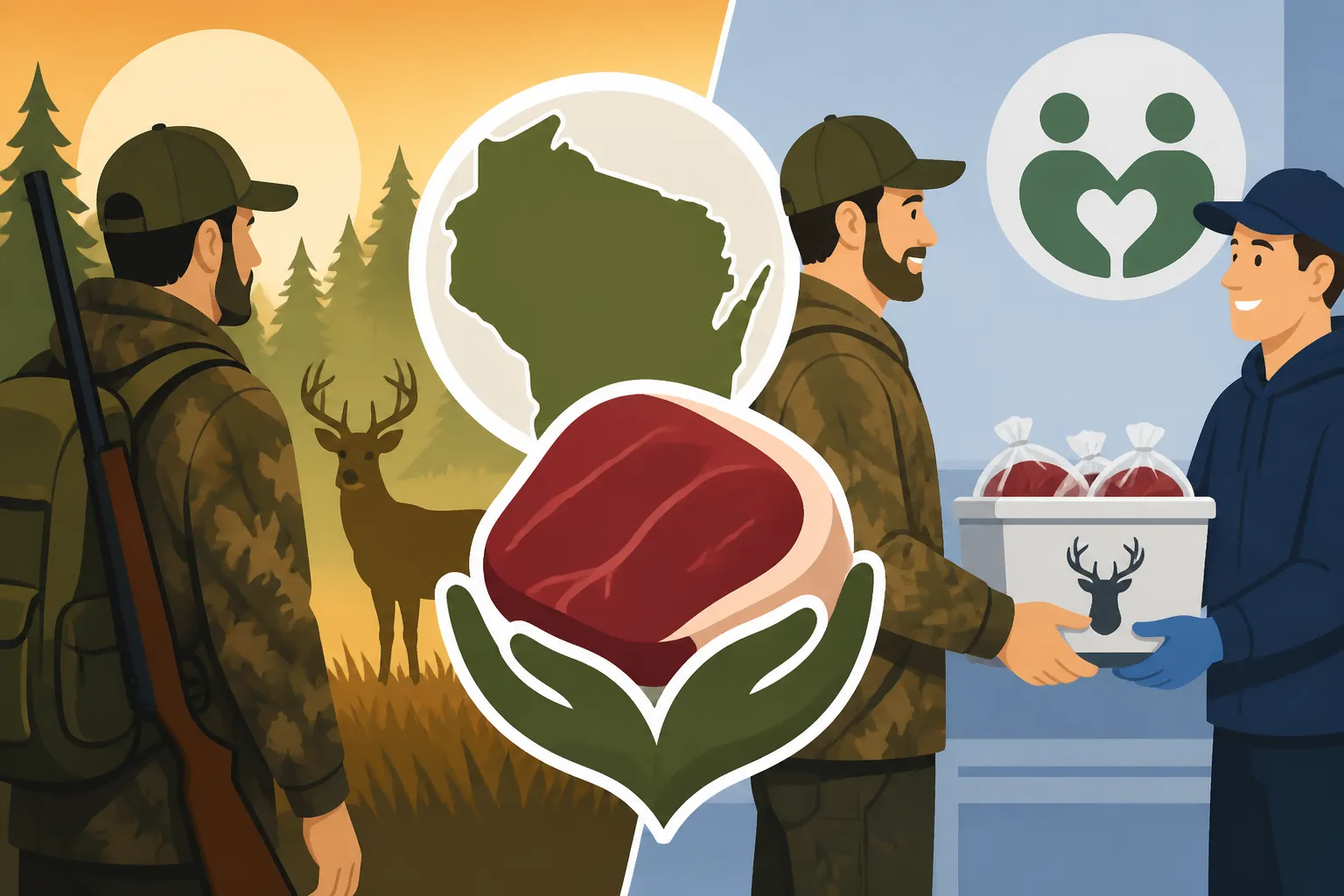
After a successful deer hunt in Wisconsin, many of us find our freezers overflowing, or we simply feel a strong pull to give back to our communities. It's a fantastic feeling to fill a tag, but what about ensuring that delicious, healthy venison doesn't go to waste, and better yet, helps feed those in need? This guide will walk you through everything you need to know about donating venison in Wisconsin, from the emotional reasons to the practical steps, ensuring your hard-earned harvest can make a real difference.
Why Donate Your Hard-Earned Venison in Wisconsin?
The act of hunting is deeply rooted in providing for ourselves and our families, but for many Wisconsin hunters, it extends far beyond that. Donating venison is a powerful way to honor the animal, support your community, and manage your harvest responsibly. It's a cycle of giving that embodies the true spirit of the outdoors.
Feeding Families in Need
Imagine the relief and gratitude of a family receiving wholesome, lean protein during a tough time. In communities all across Wisconsin, food pantries and charitable organizations work tirelessly to combat food insecurity. Your venison donation directly contributes to their efforts, providing nutritious meals that might otherwise be out of reach for some. It's more than just meat; it's a helping hand, a warm meal, and a sense of dignity for struggling neighbors, whether they're in Milwaukee, Green Bay, or a small town up north. This connection between the field and the dinner table is incredibly rewarding.
Managing Your Harvest Responsibly
Let's be honest, sometimes we fill multiple tags, or maybe that big buck was just a bonus on top of an already full freezer. We've all been there, wondering where to put that extra package of backstrap. Donating venison is an excellent solution for managing your harvest without wasting a single pound. It ensures that every animal taken is utilized to its fullest potential, aligning perfectly with the conservation ethics many of us hold dear. Rather than letting cuts sit unused or, worse, go bad, you can channel that surplus into a positive impact. Filling a Wisconsin Antlerless Tag is a great way to help with herd management, and those extra deer can certainly contribute to donation programs.
Honoring the Animal and the Hunt
For many, hunting isn't just about the kill; it's about the entire experience – the scouting, the patience, the connection to nature. When you successfully harvest a deer, there's a profound sense of respect for the animal. Donating venison is a tangible way to extend that respect, ensuring the animal's life contributes to the well-being of others. It transforms a personal achievement into a communal benefit, a testament to the hunter's role in the ecosystem and the community. It adds another layer of meaning to an already significant outdoor pursuit.
How the Wisconsin Venison Donation Program Works
Wisconsin has a well-established system to facilitate venison donations, making it relatively straightforward for hunters to participate. Understanding the process from start to finish will help ensure your donation goes smoothly and efficiently.
From Field to Processor: The First Steps
The journey of your donated venison begins the moment you've successfully harvested your deer. The most critical step at this stage is proper field dressing. A clean, quick, and thorough field dressing job is essential to ensure the meat remains in excellent condition for consumption. Take your time, get it right, and cool the carcass down as quickly as possible, especially during warmer early archery seasons. You'll want to register your deer as usual, following all Wisconsin Deer Registration Rules. Once registered, it's a good idea to contact a participating processor as soon as possible, ideally within a day or two of harvest. Many processors have limited space and specific drop-off hours, so a quick call can save you a lot of hassle.
Processor's Role in the Donation Chain
Once you deliver your field-dressed, registered deer to a participating processor, their role becomes crucial. These processors are approved by the program and understand the specific requirements for donated venison. They will process the deer, grind the meat, and package it for distribution to food pantries. The processing cost for donated venison is often covered by the program through generous donations from conservation groups, charitable organizations, and individual contributions. This means, as a hunter, you typically won't incur a processing fee for your donated deer, making it even easier to give back. However, it's always wise to confirm this with your chosen processor beforehand, just to avoid any surprises.
Distribution to Food Pantries and Charities
After the venison is processed, it enters the distribution phase. The participating processor will work with local food pantries, charitable organizations, and hunger relief programs to distribute the packaged meat. This ensures that the venison reaches the people who need it most, whether they are individuals, families, or community meal programs. The lean, healthy protein is a valuable addition to any food assistance program, offering a nutritious option that's often in high demand. It's a direct line from your hunting efforts to tangible community support, completing the circle of giving.
Finding a Participating Processor in Your Area
Finding a processor that participates in the venison donation program is probably the most critical practical step. You can't just drop a deer off anywhere and expect it to be handled through the program. A little legwork upfront will make the entire process much smoother.
Utilizing Online Resources and Maps
The Wisconsin Department of Natural Resources (DNR) maintains a list of participating venison processors, usually updated annually. This list is your go-to resource. It typically includes the processor's name, location, and contact information, along with any specific instructions or periods they accept deer for donation. When you're planning your hunt, especially if you anticipate harvesting extra deer, it's a good idea to bookmark this page or print out a copy for the areas you hunt. You might also find local hunting forums or community groups on platforms like GoHunt that share information about donation sites in specific regions, which can be incredibly helpful for current local knowledge.
Calling Ahead and Confirming Details
Even with a current list, always, always call the processor ahead of time. This is not just a polite courtesy; it's a necessity. Processors have varying capacities, operating hours, and specific requirements for accepting donated deer. Some might only accept deer during certain periods of the season, or they might have reached their quota for the week. By calling, you can confirm:
- Participation: Are they still actively participating in the venison donation program for the current season?
- Capacity: Do they have space to accept your deer?
- Drop-off Hours: What are their specific drop-off times for donated venison?
- Requirements: Do they have any unique requirements, such as needing the deer skinned, or preferring specific tags attached?
A quick phone call ensures you don't waste precious time and effort driving a deer to a location that can't accept it. It's an essential part of responsible donation.
Geographical Considerations Across Wisconsin
Wisconsin is a big state, with diverse hunting landscapes from the Northern Forest Deer Density in Wisconsin to the Driftless Area Deer Hunting in Wisconsin. Processors might be more spread out in remote northern counties compared to the more populated southern regions. If you're hunting in a less developed area, you might need to plan for a longer drive to reach a participating processor. Consider the logistics when you're scouting or choosing your hunting spot. Having a plan for game retrieval and processing is just as important as your hunting tactics. Think about how far you're willing to travel after you've successfully recovered your deer, especially if you're coming out of a tough spot like a coulee bottom or a cedar swamp.
Important Considerations Before You Donate
Donating venison is a fantastic act of generosity, but there are a few important details and rules you need to be aware of to ensure your donation is accepted and handled properly. These considerations are in place to protect public health and maintain the integrity of the program.
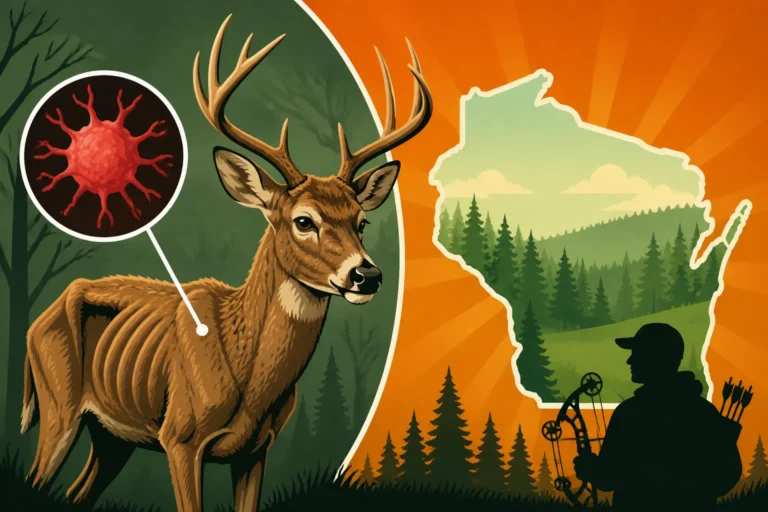
Chronic Wasting Disease CWD
Chronic Wasting Disease (CWD) is a serious neurological disease that affects deer, elk, and moose, and it's a significant concern for Wisconsin hunters. While CWD has not been shown to be transmissible to humans, out of an abundance of caution, venison from deer harvested in CWD-affected areas may have specific handling or testing requirements for donation.
- Testing: If you harvest a deer in a CWD-affected county, it's highly recommended to have the deer tested for CWD. Many processors participating in the donation program will only accept CWD-negative deer, or they might require testing to be performed before processing. You can find information on Wisconsin CWD Testing for Hunters through the DNR.
- Carcass Movement Restrictions: Be mindful of Wisconsin Carcass Movement Restrictions if you harvest a deer in a CWD-affected area and plan to transport it to a processor in a non-CWD county. These rules are in place to help prevent the spread of the disease.
- Program Guidelines: Always check the specific guidelines of the Wisconsin Venison Donation Program, as they may update requirements based on the latest CWD prevalence maps and scientific recommendations. Your vigilance helps keep the food supply safe.
Processing Costs and Program Funding
As mentioned, the processing fees for donated venison are typically covered by the program. This incredible support comes from various sources, including non-profit organizations, conservation groups, and individual donors who believe in the mission of providing healthy protein to those in need. While you, as the hunter, usually don't pay out of pocket, understanding that this program relies on continued funding is important. Sometimes, if the program's funds are low or a processor reaches their allocated capacity, there might be a pause in accepting donations or a request for a partial fee from the hunter. This is rare but possible, which is another excellent reason to call ahead and confirm.
Proper Field Care and Handling
The quality of the donated venison starts with you, the hunter, in the field. Proper field care is non-negotiable for any meat destined for human consumption, especially when it's going to feed vulnerable populations.
- Cleanliness: Field dress your deer as cleanly as possible. Avoid contaminating the meat with dirt, leaves, or stomach contents. Field Dressing a Deer in Cold Weather can be easier, but attention to detail is always key.
- Cooling: Get the carcass cooled down quickly. If temperatures are warm, prop the cavity open, use ice, or hang it in a cool, shaded area. This prevents bacterial growth and spoilage.
- Transport: Transport the deer in a clean manner. Avoid dragging it through excessive mud or water if possible. Ensure it's secured and doesn't pick up contaminants during transport to the processor.
By taking these steps, you ensure that the venison you donate is of the highest quality, ready to provide a nutritious and safe meal for a Wisconsin family. Your efforts in the field truly make a difference in the lives of others.
Disclaimer
This article is for general informational purposes only and does not constitute professional advice. Laws, prices and regulations vary by location and change over time. Consult a qualified professional for guidance on your specific situation.