How Many Sharptails Wisconsin Has
It's a common frustration among bird hunters in Wisconsin to hear whispers about the sharp-tailed grouse. You hear that they exist, you might even know someone who's seen one, but finding solid information on how many are actually out there can feel like trying to find a needle in a vast, wild haystack. This guide is here to pull back the curtain on Wisconsin's elusive sharp-tailed grouse population, giving you a clear picture of their numbers, the challenges they face, and what it all means for the future of this unique game bird in our state.
The Elusive Wisconsin Sharptail and Its Fragile Numbers
For many Wisconsin hunters, the sharp-tailed grouse is almost a mythical creature. Unlike the more common ruffed grouse, sharptails occupy a very specific, ever-shrinking niche, and their numbers reflect that specialization. We're not talking about widespread flocks; we're talking about isolated pockets of birds clinging to increasingly rare habitat. The struggle to maintain a viable population is real, and it’s a constant battle against habitat loss and fragmentation. It’s a species that truly embodies the challenge of wildlife conservation in a changing landscape.
Historically, sharp-tailed grouse were far more prevalent across Wisconsin, thriving in the vast, open barrens and pine savannas that characterized much of the central and northern parts of the state. These were landscapes shaped by fire and natural disturbance, creating the brushy, open cover that sharptails need. As settlement progressed and fire suppression became standard practice, these habitats began to disappear, taking the sharptails with them. Today, we're left with a much smaller, far more delicate population that requires intensive management to survive.
A Look at Current Population Estimates and Trends
Pinpointing an exact number for sharp-tailed grouse in Wisconsin is incredibly difficult, and frankly, a bit misleading. Unlike deer or even turkeys, which have broad distribution, sharptails exist in a handful of distinct "patches" of suitable habitat. The Wisconsin Department of Natural Resources (DNR) relies on lek surveys, where biologists listen for and count male grouse performing their elaborate courtship dances on traditional booming grounds. These surveys give us an index of the population, rather than an absolute headcount.
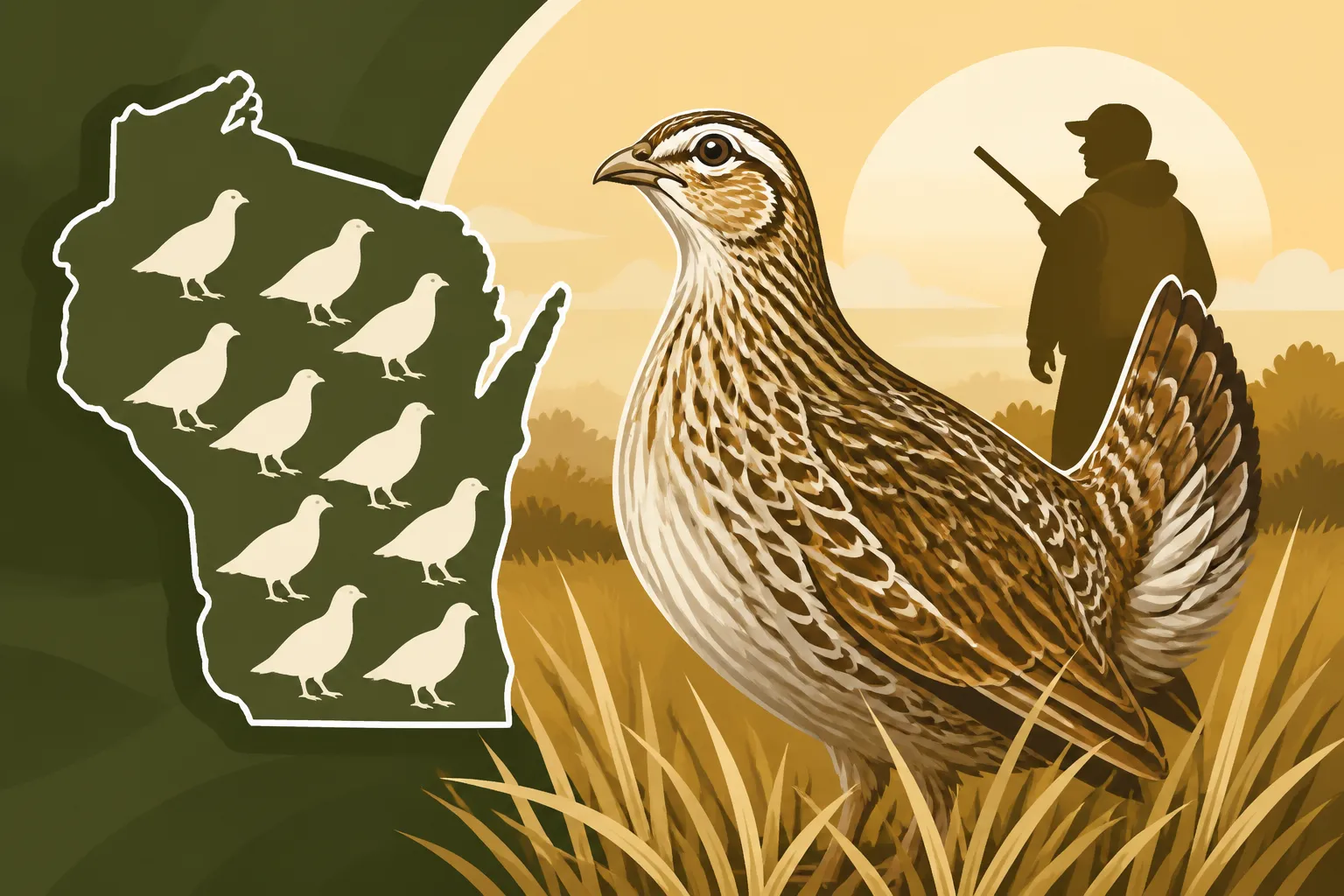
What these surveys consistently show is a population that is small and, at times, precariously low. The overall trend over many decades has been downward, with occasional plateaus or slight increases directly attributable to intensive habitat management efforts in specific areas. We're talking about hundreds of birds, not thousands, across the entire state. For context, where you might encounter dozens of ruffed grouse in a productive aspen cut, you'd be incredibly lucky to flush even a handful of sharptails in a prime patch of barrens. The numbers are a stark reminder of how specialized this species is and how much effort goes into keeping them from vanishing entirely from Wisconsin's landscape. Sharp-Tailed Grouse Range in Wisconsin highlights where these limited populations are concentrated.
Why the Numbers Fluctuate: Habitat and Management Challenges
The primary driver behind sharp-tailed grouse numbers, and their constant fluctuation, is directly tied to their habitat requirements. Sharptails are "barrens specialists" – they need open, brushy grasslands with scattered pines or oaks, often maintained by fire. This isn't your typical Wisconsin woods or farmland. They require large, interconnected areas of this specific type of habitat for nesting, brood-rearing, and winter survival.
The biggest challenge is that this "barrens" habitat is a successional stage. Without disturbance, like wildfire or prescribed burning, these open areas gradually fill in with taller trees and dense brush, becoming unsuitable for sharptails. Past land management practices, including intensive fire suppression, led to the loss of vast tracts of this critical habitat. Today, even with dedicated efforts, managing these large landscapes effectively is a monumental task. Factors like climate change, invasive species, and even development pressures can further complicate these already challenging habitat restoration projects, leading to an inherently unstable population that can swing up or down based on a few good or bad years of habitat conditions and breeding success.
The Barrens Habitat: Sharptail Strongholds and Struggles
The sharp-tailed grouse's very existence in Wisconsin is intrinsically linked to a type of habitat known as "pine barrens." If you're used to hunting deer in dense hardwoods or turkeys along farm edges, the barrens are a completely different world. Imagine vast expanses of scrub oak, jack pine, and native grasses, often punctuated by patches of blueberries and exposed sandy soil. It's an ecosystem born of fire and harsh conditions, and it's precisely what sharptails need to thrive. Without this specific type of landscape, sharptails simply cannot exist. This makes their strongholds critically important, and the struggles to maintain these areas are directly reflected in the population numbers.
This habitat provides everything a sharptail needs: open areas for their famous lekking dances, dense low cover for nesting and escape from predators, and a diverse insect population for their chicks. The challenge, of course, is that these barrens are not a "natural" state in Wisconsin's present climate without active management. Left alone, they will revert to dense forest, rendering them useless for sharptails.
Where Wisconsin Sharptails Survive: Key Locations and Efforts
Today, the few remaining strongholds for sharp-tailed grouse in Wisconsin are largely found in the northwestern and central parts of the state, primarily on public lands that are actively managed for this species. Think areas like Crex Meadows Wildlife Area in Burnett County, the Douglas County Wildlife Area, and parts of the Washburn County Forest. These aren't accidental hotbeds; they are the result of decades of dedicated conservation work by the Wisconsin DNR and various conservation partners.
Organizations like the Wisconsin Sharp-tailed Grouse Society play a pivotal role, often working hand-in-hand with state agencies to purchase land, conduct habitat work, and advocate for sound management policies. Each of these strongholds is a testament to persistent effort, requiring ongoing funding and physical labor to maintain. It's a highly targeted approach, focusing resources on specific parcels of land to create and maintain the mosaic of open and brushy cover that sharptails demand. When you're scouting for these birds, understanding Where Wisconsin Sharptails Survive is absolutely key. Hunters looking for public access to these unique areas can often find maps and information through resources like GoHunt's public land overlays, which clearly mark these wildlife management areas.
The Role of Prescribed Burns and Habitat Restoration
The most critical tool in maintaining and restoring sharp-tailed grouse habitat is fire, specifically prescribed burning. Wildfire was historically a natural component of the barrens ecosystem, periodically resetting the landscape by burning off accumulated fuels, thinning out trees, and promoting the growth of native grasses and wildflowers. Without these natural fires, the barrens slowly become choked with brush and dense young trees, creating habitat unsuitable for sharptails.
Prescribed burns are carefully planned and executed fires that mimic these natural processes. They are done under specific weather conditions by trained professionals to achieve desired ecological outcomes. In addition to fire, other habitat restoration techniques are employed, such as mechanical brushing, timber harvests designed to create openings, and planting native seed mixes. These efforts are not cheap or easy. They require significant resources, expertise, and a long-term commitment. It's a continuous cycle of management, as the habitat constantly tries to revert to a forested state. This proactive, often expensive, management is the cornerstone of keeping Wisconsin's sharp-tailed grouse population from disappearing. You can learn more about these areas by looking into Sharptail Management Areas in Wisconsin.
Hunting Considerations for Wisconsin Sharptails
Given the fragile nature of Wisconsin's sharp-tailed grouse population, hunting these birds is a very different experience than pursuing ruffed grouse or pheasants. It's not a "fill your vest" kind of hunt; it's an opportunity to connect with a unique bird in a unique landscape, with a strong emphasis on conservation and responsible harvest. The low population numbers directly translate into limited hunting opportunities, designed to ensure the long-term viability of the species. It's a privilege, not a given, to be able to hunt sharptails in Wisconsin.
Hunters often have to travel significant distances to reach the limited areas where these birds reside, and success is far from guaranteed. The reward isn't necessarily a full game bag, but rather the experience of being in their rare habitat and contributing to their management through your license fees and participation in a regulated season.
Understanding the Sharptail Permit System
To manage harvest pressure on such a delicate population, Wisconsin employs a specific permit system for sharp-tailed grouse. This isn't a bird you can just decide to hunt on a whim with a general small game license. Instead, hunters must apply for a special permit, usually through a lottery system. The number of permits issued each year is extremely limited and is directly tied to the latest population survey data and the DNR's management goals for each specific unit or zone where sharptails are found.
This system ensures that harvest levels remain sustainable and don't unduly impact the breeding population. It also provides valuable data to biologists, who can track hunter effort and success rates. For hunters, it means planning ahead, understanding application deadlines, and being prepared for potentially low draw odds. It’s a testament to the fact that every bird counts when the total population is so small. Hunters often rely on tools available through platforms like GoHunt to keep track of these specialized application periods and deadlines. For more details on the application process, check out Wisconsin Sharp-Tailed Grouse Permits.
| Management Area | Primary County(s) | Typical Habitat Type | Management Focus | Hunter Access & Opportunity |
|---|---|---|---|---|
| Crex Meadows Wildlife Area | Burnett | Pine Barrens, Sedgy Grasslands | Extensive prescribed burning, mechanical clearing | Limited permits via drawing, public access |
| Douglas County Wildlife Area | Douglas | Pine Barrens, Scrub Oak | Prescribed burning, timber management | Limited permits via drawing, public access |
| Washburn County Forest | Washburn | Pine Barrens, Jack Pine/Scrub Oak | Collaborative management with county, prescribed fire | Limited permits via drawing, public access |
| Meadow Valley Wildlife Area | Juneau | Jack Pine Barrens, Peatlands | Habitat restoration, water level management | Extremely limited or no hunting, focus on restoration |
Ethical Hunting and Conservation for a Sensitive Species
Hunting sharp-tailed grouse in Wisconsin carries a significant ethical responsibility. Given their low numbers and reliance on fragile habitats, every hunter who participates in the season becomes a direct steward of the species. This means adhering strictly to bag limits, season dates, and permit requirements, and perhaps even exercising self-restraint by passing on shots if conditions aren't ideal or if you've already had a successful day.
It also means being acutely aware of your impact on the habitat. Staying on designated trails, avoiding sensitive areas during critical nesting periods (even if you're just scouting), and supporting conservation efforts through your license purchases and direct donations are all part of the equation. For a species that exists on the razor's edge, every decision a hunter makes, both in the field and through their support of conservation, contributes to the overall health and future of the sharp-tailed grouse in Wisconsin. Engaging in practices such as Hunting Sharptails on Wisconsin Barrens demands an extra layer of mindfulness.
Looking to the Future: Conservation Efforts and Hunter Involvement
The future of sharp-tailed grouse in Wisconsin isn't guaranteed, but it's certainly not hopeless. The species benefits from a dedicated community of conservationists, state agencies, and hunters who understand the unique challenges and are committed to its survival. The ongoing efforts are a testament to the belief that these unique birds are a valuable part of Wisconsin's natural heritage and deserve our continued attention and resources. It’s a long game, and it requires sustained commitment.
The biggest hurdles remain habitat quantity and quality. Without large, interconnected landscapes of suitable barrens habitat, the sharptail will always be vulnerable. However, the knowledge gained from decades of research and management gives us a clear roadmap for what needs to be done.
Partnerships and Funding for Sharptail Recovery
The conservation of Wisconsin's sharp-tailed grouse is a collaborative endeavor involving numerous partners. The Wisconsin DNR leads the charge, providing scientific expertise, habitat management, and regulatory oversight. However, they are far from alone. Groups like the Wisconsin Sharp-tailed Grouse Society (WSGS) are instrumental, bringing together passionate individuals, organizing volunteer workdays, and raising funds specifically for sharptail habitat projects.
Federal programs, such as those through the U.S. Fish and Wildlife Service, also contribute funding and technical assistance, often leveraging state and private dollars to achieve larger landscape-level conservation goals. These partnerships are vital because no single entity could possibly address the scale of habitat restoration required. It's a network of dedicated individuals and organizations pooling resources and expertise, united by a common goal: ensuring the persistent survival of the sharp-tailed grouse. This collaborative approach helps sustain efforts described in Barrens Habitat and Sharptail Numbers.
How Hunters Can Support Wisconsin's Sharptails
Hunters, perhaps more than any other group, have a profound interest in the health of Wisconsin's sharp-tailed grouse population. Your license and stamp purchases are a direct source of funding for wildlife management, including habitat projects that benefit sharptails and countless other species. Beyond that, there are several ways hunters can actively support these efforts.
Consider joining and becoming active in organizations like the Wisconsin Sharp-tailed Grouse Society. Your membership dues and volunteer time directly contribute to habitat restoration. Participate in DNR surveys or report your observations, which helps biologists gather crucial data. If you have the opportunity to acquire or manage land, consider implementing practices that create or enhance barrens habitat. Even spreading awareness about the plight of the sharptail and the importance of barrens ecosystems can make a difference. Every action, no matter how small, adds to the collective effort to ensure these magnificent birds continue to grace Wisconsin's skies for generations to come. Using resources like GoHunt's mapping for scouting and then taking the time to report any sharptail sightings can contribute valuable data to conservationists.
Disclaimer
This article is for general informational purposes only and does not constitute professional advice. Laws, prices and regulations vary by location and change over time. Consult a qualified professional for guidance on your specific situation.