Wolves and Predators in Wisconsin
Hunting in Wisconsin often brings to mind whitetails, turkeys, and bears, but there's a whole other side to the wild: the powerful and often elusive predators that share our woods and waters. For many hunters and landowners, understanding these animals is crucial, whether it's managing deer populations, protecting livestock, or simply appreciating the raw beauty of our natural world. This guide dives deep into the lives of Wisconsin's major predators, exploring their impact, history, and how they fit into the larger ecosystem.
Understanding Wisconsin's Predator Landscape
The forests, farmlands, and wetlands of Wisconsin are vibrant ecosystems, teeming with a complex web of life. At the top of this food chain are the predators – animals that hunt and consume other animals. Their presence is a sign of a healthy, balanced environment, but it also introduces unique challenges and considerations for human residents, especially those who cherish the state's hunting traditions.
The Dynamic Ecosystem of Wisconsin
Wisconsin's natural landscape is incredibly diverse, ranging from the dense coniferous and mixed forests of the Northwoods to the rolling hills and agricultural fields of the Driftless Area, and the vast wetlands that dot the central and eastern parts of the state. Each of these unique habitats supports a different array of prey species, from white-tailed deer and wild turkeys to rabbits, hares, and various waterfowl. This rich tapestry of prey, in turn, dictates where and how different predator species thrive. For example, the thick northern forests provide ideal cover and hunting grounds for apex predators like wolves, while the more open farm country sees a higher density of coyotes. Understanding these intricate relationships is fundamental to appreciating the larger ecological picture that predators paint across our state. It's not just about an individual animal; it's about the intricate dance of life and death that shapes the health and resilience of the entire ecosystem.
A Hunter's Perspective on Predators
For hunters in Wisconsin, predators are often a topic of intense discussion and varied opinions. On one hand, many recognize predators as vital components of a healthy ecosystem, helping to cull weak or sick animals, thereby improving the overall health and vigor of prey populations like the deer herd. There's a deep respect for the wildness they represent. On the other hand, a significant concern among hunters, particularly those pursuing deer, is the perceived impact predators have on local game numbers. When you've scouted a prime area for deer and suddenly see fewer animals, it's natural to wonder if predators are playing a larger role than usual. This is especially true in areas with high predator densities, where local deer populations might face increased pressure, leading to frustrations for hunters who invest countless hours in the field. Balancing these perspectives, understanding the science, and acknowledging the real-world experiences of hunters is key to constructive conversations about predator management.
The Story of Wolves in Wisconsin
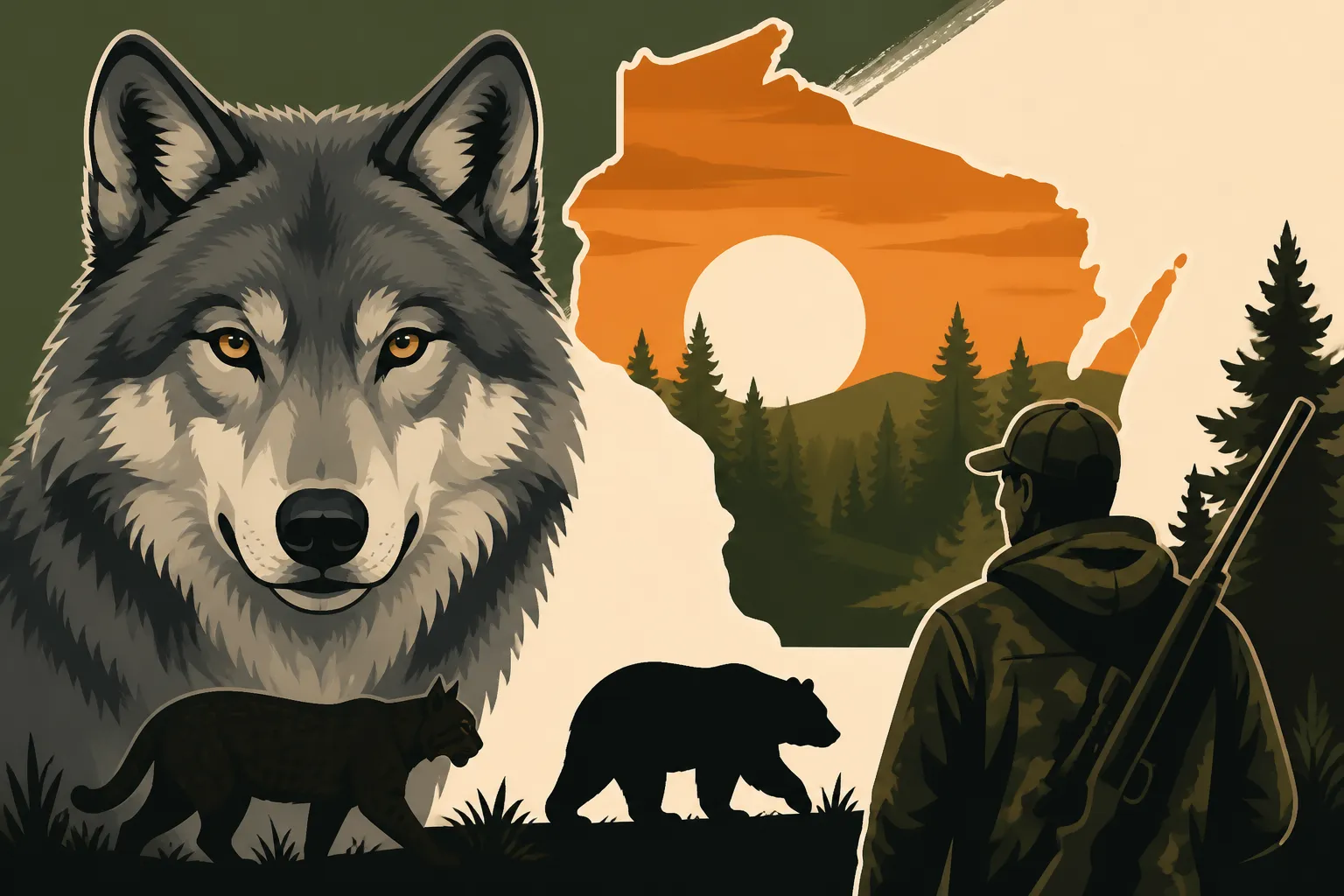
Few animals evoke as much passion and debate in Wisconsin as the gray wolf (Canis lupus). From near extirpation to a remarkable comeback, their journey is a testament to both conservation efforts and the challenges of living alongside a powerful, wild predator.
Historical Presence and Modern Return
Wolves once roamed across nearly all of Wisconsin, playing their natural role as the apex predator of the region for thousands of years. However, with European settlement came a systematic effort to eradicate them, driven by concerns for livestock and a general fear of large carnivores. By the late 1950s, wolves were effectively wiped out of the state, leaving a significant void in the ecosystem. It wasn't until the 1970s, with increased environmental awareness and protection under the Endangered Species Act, that wolves began to naturally recolonize Wisconsin, primarily from Minnesota populations. This return was a slow, arduous process, initially marked by only a handful of animals establishing territories in the northern reaches of the state. Through dedicated conservation efforts by the Wisconsin Department of Natural Resources (DNR) and federal protections, these numbers slowly but steadily grew. Today, Wisconsin's wolf population is a conservation success story, albeit one that continues to spark vigorous public discussion about their management and role in the landscape.
Wolf Population Trends and Monitoring
Monitoring Wisconsin's wolf population is a complex and continuous undertaking for the DNR. Every winter, biologists and volunteers conduct extensive tracking surveys, using snow conditions to count wolf packs and estimate their numbers. This census work is crucial for understanding population trends and informing management decisions. While wolf numbers have fluctuated over the years, they generally stabilized above federal recovery goals for a significant period. However, delisting decisions and subsequent legal challenges have created a dynamic regulatory environment, making consistent population management a moving target. These population estimates are not just academic; they directly influence policies regarding potential hunting seasons, depredation compensation, and habitat management. Hunters, landowners, and conservationists alike keenly follow these annual reports, recognizing that the health of the wolf population directly impacts other wildlife and human activities across the state. Understanding how many wolves Wisconsin has is vital for all stakeholders.
Wolf Range and Habitat Across the State
Wisconsin's wolves are primarily concentrated in the northern third of the state, especially in the vast tracts of the Northern Forest and parts of the Central Forest. These areas offer the dense cover, large expanses of undeveloped land, and abundant prey, particularly deer, that wolves need to thrive. While the core population remains in the north, isolated individuals and even small packs have been known to venture into central and even occasionally southern Wisconsin, often following river corridors or areas with significant forested blocks. These transient movements, though rare, underscore the adaptability of wolves and their potential to explore new territories if conditions allow. The DNR uses advanced mapping tools, and resources like GoHunt often incorporate similar public land boundary data, to track these movements and understand how wolf territories overlap with human populations and agricultural areas. The critical habitat for wolves includes large, contiguous forests with minimal road density, ensuring they have the space and solitude necessary for raising pups and hunting effectively without constant human disturbance.
The Impact of Wolves on Wisconsin Deer Herds
The relationship between wolves and white-tailed deer is one of the most keenly observed and often debated aspects of Wisconsin's predator dynamics. It's a natural predator-prey interaction, but one that takes on heightened significance in a state with such a passionate deer hunting culture.
Predation Dynamics and Deer Population
Wolves are highly efficient predators, and white-tailed deer form a significant portion of their diet, particularly in the forested regions of northern Wisconsin. They typically target the weakest, oldest, or sickest deer, playing a natural role in thinning the herd and preventing overpopulation, which can lead to habitat degradation and widespread disease. However, the exact impact of wolf predation on overall deer numbers is a complex puzzle, influenced by numerous factors beyond just wolf density. Variables such as habitat quality, harsh winter conditions, and disease outbreaks all interact to shape the deer population. For instance, a particularly severe winter can leave deer vulnerable, making them easier prey for wolves. This is why understanding factors like how severe winters hit northern deer is crucial when analyzing predator impact. While wolves contribute to deer mortality, studies often show that their impact is rarely the sole, or even primary, driver of large-scale deer population declines. Instead, it's a piece of a much larger ecological mosaic.
Hunter Perceptions and Realities
For many deer hunters, especially in the northern parts of Wisconsin, a noticeable decrease in deer sightings or harvest success often leads to concerns about wolf numbers. It's a valid and understandable frustration; after investing time, money, and effort, seeing fewer deer can be disheartening. Hunters often spend more time in the woods than biologists, and their anecdotal observations about local deer numbers and wolf activity are valuable data points. However, separating perceived impacts from scientifically proven realities can be challenging. What a hunter experiences in a specific, localized area might not reflect the broader, regional deer population trends. Furthermore, deer movement patterns, hunting pressure, habitat changes, and even acorn failures can all influence deer sightings, sometimes being mistaken for predator impact. Open dialogue and shared data between hunters and wildlife managers are essential to bridge this gap, ensuring that management decisions are informed by both on-the-ground experience and robust scientific analysis.
What Wolves Eat in Northern Wisconsin
Beyond deer, wolves in northern Wisconsin have a varied diet, adapted to whatever prey is most available. While whitetails are their primary food source, especially during the colder months when deer are more vulnerable due to deep snow and limited food, wolves are opportunistic hunters. They will also prey on moose and elk, though these larger cervids are less common in Wisconsin. In addition to big game, wolves will also consume smaller mammals such as beavers, snowshoe hares, and various rodents, particularly during the warmer months when fawns are harder to come by and smaller prey is more abundant. Occasionally, wolves may also take livestock, which becomes a significant concern for farmers and a complex management issue for the DNR, leading to programs for compensation and deterrents. This diverse diet highlights their role as adaptable apex predators, essential for maintaining the health of the entire ecosystem by regulating various prey populations.
Coyotes: The Ever-Present Predator
While wolves often capture the headlines, coyotes are undoubtedly the most widespread and commonly encountered predators across all of Wisconsin. Adaptable and cunning, they navigate both deep woods and suburban fringes with remarkable success.
Coyote Range and Adaptability
Coyotes are truly remarkable for their ability to thrive in almost any environment Wisconsin offers. From the remote forests of the Northwoods to the sprawling agricultural fields of the south, and even into urban parks and green spaces, coyotes have established a presence everywhere. Their secret lies in their incredible adaptability. They are generalist predators, meaning they aren't picky about their diet or habitat. They will prey on small mammals like rabbits, hares, and rodents, as well as birds, insects, and even fruits and berries. Their opportunistic nature allows them to exploit food sources that other, more specialized predators might overlook. This adaptability also extends to their social structure, as they can live as solitary individuals or in small family groups, depending on resource availability. This widespread distribution means that nearly every hunter in Wisconsin will, at some point, encounter a coyote, or at least their tracks or scat, underscoring their integral role in the state's wildlife landscape.
Hunting and Trapping Strategies for Coyotes
Coyote hunting and trapping are popular activities in Wisconsin, offering a year-round challenge for many sportsmen. Unlike wolves, coyotes do not have a closed season, making them a consistent pursuit. Hunters often employ calling techniques, using mouth calls or electronic callers to mimic distressed prey animals or other coyotes, luring them into range. This can be an incredibly effective method, especially during the colder months when coyotes are actively searching for food. For trappers, snares and foothold traps are commonly used, often set along travel corridors or near known den sites, with baits and lures designed to attract their attention. Many view coyote hunting as a way to potentially reduce pressure on local deer and turkey populations, though the scientific evidence for this broad impact can vary. It also offers a great way to hone predator hunting skills and enjoy the solitude of the outdoors. If you're looking to challenge yourself, mastering techniques like coyote calling in Wisconsin winter can be incredibly rewarding.
Mange in Wisconsin Coyotes and Foxes
Like many wildlife species, coyotes and foxes in Wisconsin can be susceptible to various diseases, one of the most noticeable being sarcoptic mange. This highly contagious skin disease is caused by microscopic mites that burrow into the skin, leading to intense itching, hair loss, and the formation of scabs and sores. Animals severely afflicted with mange often appear emaciated and have large patches of missing fur, making them look quite sickly. While mange can affect animals of all ages, it is particularly hard on pups and individuals already weakened by other health issues or malnutrition. Hunters and trappers often report seeing mangy coyotes and foxes, especially in localized areas where the disease can spread through direct contact or shared dens. While mange can certainly impact individual animals and local populations, it typically doesn't pose a widespread threat to the overall coyote or fox population across the state. The DNR monitors disease prevalence but generally lets natural processes run their course for these common furbearers.
Bobcats and Other Furbearers
Beyond the more commonly discussed wolves and coyotes, Wisconsin is home to a fascinating array of other predators and furbearers, each playing a unique role in the ecosystem. Bobcats, foxes, fishers, and otters are all part of this diverse group, managed differently but equally important.
Bobcat Numbers and Management
Bobcats (Lynx rufus) are elusive and beautiful creatures, resembling miniature lynx with their tufted ears and short, "bobbed" tails. Primarily found in the northern and central forested regions of Wisconsin, they are skilled predators, preying on rabbits, hares, rodents, and occasionally birds or young deer. Their secretive nature makes them challenging to survey, but the DNR manages their population through a permit-based harvest system, balancing conservation with regulated hunting and trapping opportunities. Getting a bobcat permit in Wisconsin is highly competitive, often requiring years of preference points due to the limited quota and high demand. This careful management ensures that populations remain healthy and sustainable. For those lucky enough to draw a tag, pursuing a bobcat offers an incredible challenge and a true wilderness experience. Many hunters find the chase exhilarating, especially when running hounds for bobcat in the north, where the rugged terrain adds to the adventure.
Wisconsin Fisher and Otter Permits
Fishers and river otters are two other important furbearers that thrive in Wisconsin's diverse habitats. Fishers, a member of the weasel family, are agile and fierce predators of the forest, known for their ability to hunt porcupines, squirrels, and snowshoe hares. River otters, on the other hand, are semi-aquatic marvels, expertly adapted to life in and around our lakes, rivers, and wetlands, where they primarily prey on fish, frogs, and crustaceans. Both species have seen successful reintroduction and management efforts in Wisconsin, leading to robust populations today. Like bobcats, the harvest of fishers and otters is carefully regulated by the DNR through a limited permit system, often requiring applicants to accumulate preference points over several years. This meticulous approach ensures sustainable populations while providing regulated opportunities for trappers, who play a vital role in monitoring these furbearer populations and contributing valuable data to wildlife management efforts. For anyone interested in the broader spectrum of predator and furbearer hunting in Wisconsin, understanding these permit systems is crucial.
Running Hounds for Bobcat in the North
Hunting bobcats with hounds is a traditional and highly specialized pursuit in Wisconsin, deeply rooted in the state's northern wilderness culture. This method typically involves trained packs of dogs, usually a mix of breeds known for their scenting ability and endurance, that track a bobcat's scent through dense forests, over rugged terrain, and across frozen landscapes. The dogs follow the trail, often baying loudly, until they tree or corner the bobcat, allowing the hunter to approach. This isn't a passive hunt; it often requires immense physical effort from the hunters, who must keep up with the hounds, sometimes covering miles in challenging conditions. The use of GPS collars on the dogs has revolutionized this sport, allowing hunters to track their pack's progress and location in real-time, even in the most remote areas. It's an experience that offers a deep immersion in the Northwoods, demanding skill, perseverance, and a profound respect for the animal being pursued and the capabilities of the hounds.
Cougars: Rare but Present
The idea of cougars (or mountain lions) roaming Wisconsin's wild spaces often sparks a mix of excitement and disbelief. While not a native breeding population in modern times, these impressive big cats do make appearances.
Verified Sightings and Migration Patterns
For many years, cougar sightings in Wisconsin were largely dismissed as mistaken identity or folklore. However, in recent decades, with the aid of trail cameras, DNA analysis from scat, and even clear photographic and video evidence, the presence of cougars in the state has been definitively confirmed. These animals are almost exclusively young males dispersing from established populations in states like South Dakota's Black Hills, seeking new territories. Their journeys can cover hundreds, even thousands, of miles, passing through multiple states before reaching Wisconsin. These are not typically resident breeding animals, but rather transient explorers. The DNR meticulously documents and verifies these sightings, often using their website and resources like GoHunt to share information and maps of confirmed cougar tracks, scat, or visual evidence. While rare, each confirmed sighting serves as a powerful reminder of the wildness that persists in our state and the incredible migratory capabilities of these apex predators.
Are There Breeding Cougars in Wisconsin?
Despite the verified sightings of transient cougars in Wisconsin, the crucial question remains: are there breeding populations established within the state? The overwhelming scientific consensus from the Wisconsin DNR and other wildlife experts is currently "no." All evidence points to individual, dispersing males. To be considered a breeding population, there would need to be evidence of females establishing territories, mating, and successfully raising cubs. So far, there has been no verified den site, no repeated sightings of a female with kittens, and no genetic evidence indicating reproductive activity. While the thought of a resident cougar population is exciting for some, it's important to differentiate between confirmed transient individuals and a self-sustaining population. The landscape of Wisconsin, with its relatively high human population density and extensive road network, may pose significant challenges for cougars to establish the expansive, undisturbed territories typically required for successful breeding. This situation is continuously monitored, but as of now, the answer to "are there breeding cougars in Wisconsin?" remains in the negative.
Managing Predator Populations: The Hunter's Role and DNR Efforts
The management of predator populations in Wisconsin is a delicate balancing act, driven by scientific research, public opinion, and the ecological roles these animals play. It's a responsibility shared by the DNR, hunters, and citizens alike.
Past Hunting Seasons and Current Status
Wisconsin has a complex history with predator hunting, particularly concerning wolves. After their remarkable recovery, the state began to explore regulated hunting and trapping seasons for wolves. These seasons, when enacted, were often met with intense debate, reflecting deeply held beliefs on both sides of the issue. The legal status of wolves has also been highly dynamic, shifting between state and federal protection due to court rulings and legislative actions. This means that at different times, wolves have been managed solely by the state (allowing for hunting seasons), and at other times, they have been under federal protection (prohibiting hunting). These changes have led to periods of open seasons, followed by closures, creating uncertainty for hunters and wildlife managers. Meanwhile, other predators like coyotes, foxes, and bobcats have had more consistent hunting and trapping seasons, albeit with differing regulations and permit requirements to ensure sustainable populations. The current status of wolf hunting remains subject to ongoing legal and ecological considerations, underscoring the challenges of managing such an iconic species.
Balancing Predator and Prey Populations
One of the primary goals of wildlife management in Wisconsin is to maintain healthy, balanced ecosystems, which includes ensuring sustainable predator and prey populations. This isn't just about maximizing deer numbers for hunters or protecting every predator; it's about the intricate ecological relationships that keep the entire system robust. Predators like wolves and coyotes play a crucial role in regulating prey species, helping to prevent overgrazing, control disease spread, and maintain genetic vigor by culling less fit individuals. However, an imbalance—whether too many predators for the available prey or too many prey animals for the habitat—can lead to problems. The DNR uses a combination of population surveys, habitat assessments, and hunter harvest data to make informed decisions about management strategies, which can include regulated hunting seasons, habitat improvements, or, in the case of depredation, targeted interventions. It's a continuous effort to find the right equilibrium that respects both ecological integrity and human interests. The ongoing debate around how Wisconsin manages its wolf population is a prime example of this complex balance.
Wolf Depredation on Wisconsin Hounds
One of the most contentious aspects of wolf presence in Wisconsin is the issue of depredation, particularly on hunting dogs. While wolves primarily target wild prey, conflicts arise when they encounter domestic animals, including livestock and hounds. For bear hunters, in particular, the loss of a valuable hound to a wolf attack is not only financially devastating but also emotionally heartbreaking, as these dogs are often seen as family members and dedicated hunting partners. These incidents primarily occur in northern Wisconsin, where wolf territories overlap with traditional bear hound training and hunting grounds. The DNR has established a compensation program for verified depredation incidents and works with hunters and landowners to implement deterrents and best practices to minimize conflicts. However, the issue remains a significant point of tension between different stakeholder groups, highlighting the complex challenges of coexisting with apex predators and the very real impact wolf depredation on Wisconsin hounds has on individuals and communities.
Coexisting with Predators: Best Practices for Hunters and Landowners
Living alongside Wisconsin's predators requires a proactive approach, incorporating practical strategies for both minimizing conflict and appreciating the ecological benefits these animals provide.
Protecting Pets and Livestock
For those living in or recreating near predator habitats, especially in rural areas, taking steps to protect pets and livestock is essential. Domestic animals, particularly those left unattended or allowed to roam freely, can become vulnerable to predation, primarily from coyotes and occasionally from wolves. For pet owners, keeping dogs on a leash, especially during walks in wooded or undeveloped areas, and ensuring cats are kept indoors, especially at night, can significantly reduce risks. For landowners with livestock, various deterrents can be employed. These include robust fencing, guard animals (like donkeys, llamas, or specific breeds of dogs), and securing livestock in barns or pens at night. Removing attractants, such as pet food, garbage, or even deer carcasses, from around homes and outbuildings can also help reduce unwanted predator visits. By implementing these practical measures, residents can drastically minimize the potential for conflict and foster a safer environment for both their animals and the wild predators.
Understanding Predator Behavior
A key component of successful coexistence is understanding the natural behavior of Wisconsin's predators. Most predators, including wolves, coyotes, and bobcats, are naturally shy and elusive, preferring to avoid human contact. They are primarily nocturnal or crepuscular (active at dawn and dusk), which is why direct sightings can be rare. If you do encounter a predator, it's generally best to give them space. If the animal does not retreat, make yourself look large, make noise, and slowly back away. Never run, as this can trigger a chase instinct. Learning to identify tracks, scat, and other signs of predator activity can also be incredibly useful for hunters and outdoor enthusiasts, helping to paint a picture of wildlife presence in a given area. For instance, being able to distinguish wolf tracks from large dog tracks, or coyote scat containing fur from deer pellets, offers valuable insights into the local ecosystem. Resources like the Wisconsin DNR website and various hunting apps, such as GoHunt, often provide excellent guides and maps to help you understand where different species might be found and what their behavior patterns typically entail.
Scouting With the Wisconsin Hunt Wild App
In today's connected world, technology plays an increasingly vital role in understanding and navigating Wisconsin's wild spaces, especially when it comes to predators. The Wisconsin Hunt Wild App, developed by the DNR, is an invaluable tool for both hunters and landowners. This app provides detailed, up-to-date maps showing public and private land boundaries, which is crucial for understanding where you can legally hunt or where predator encounters might be more likely. It also often includes layers for CWD zones, managed lands, and even anecdotal reports from other users or official sightings in some cases, though not specifically for real-time predator locations. For hunters targeting deer or small game, knowing where predators might be active can influence stand placement or calling strategies. For example, if you're scouting with the Wisconsin Hunt Wild app and notice large tracts of dense public land known for wolf activity, you might adjust your entry and exit routes or choose a different area to minimize potential encounters with wolves, especially if you're hunting with dogs. Utilizing such tools enhances safety and effectiveness, helping you better understand the overall wildlife picture in your chosen hunting area.
Disclaimer
The information provided in this guide is for general informational purposes only and does not constitute professional advice. Hunting regulations, wildlife populations, and disease statuses can change frequently. Always consult the most current Wisconsin Department of Natural Resources (DNR) regulations and guidelines before engaging in any hunting activities or making decisions related to wildlife management.