Sharp-Tailed Grouse on Wisconsin Barrens
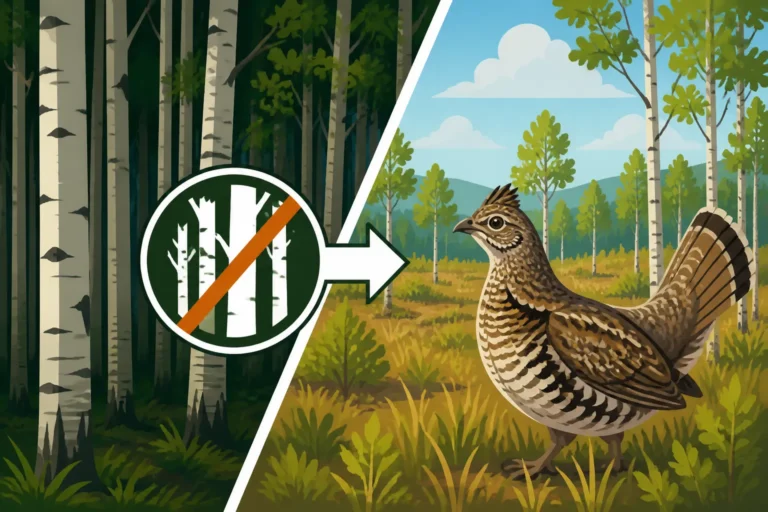
There’s a unique thrill to hunting sharp-tailed grouse in Wisconsin, but it’s a challenge that many hunters, even seasoned ones, find daunting. Unlike the more common ruffed grouse found in dense aspen thickets, sharp-tails inhabit a very specific and increasingly rare ecosystem: the open pine and oak barrens. These are vast, often rugged landscapes that require a completely different approach, from understanding their lifecycle to navigating their expansive territories. If you've ever felt lost trying to locate these elusive birds, or wondered what makes their habitat so special, this comprehensive guide is here to shed light on everything you need to know about pursuing sharp-tailed grouse in Wisconsin.
Understanding Wisconsin's Sharp-Tailed Grouse Population
Hunting sharp-tailed grouse isn't just about bagging a bird; it's about connecting with a rare piece of Wisconsin's ecological heritage. These birds are iconic indicators of a specific habitat, and their presence, or lack thereof, tells a critical story about our landscape. Knowing their history and current status is the first step in truly appreciating the sharp-tail hunting experience.
Historical Presence and Decline
Once, Wisconsin's northern half was home to vast expanses of pine and oak barrens, ecosystems shaped by natural fires and characterized by open, savanna-like conditions. In those days, sharp-tailed grouse, along with prairie chickens, were far more common. Early European settlers often spoke of skies darkened by flocks of these prairie birds. They thrived in the post-logging era as well, when clear-cutting temporarily created open, brushy landscapes similar to their natural barrens habitat. This boom, however, was short-lived.
As land use changed, logging practices shifted, and fire suppression became the norm, these critical open habitats began to disappear. Forests matured, encroaching on the barrens, and agricultural expansion further fragmented suitable areas. Without the disturbance of fire or large-scale logging, the understory became too dense, and the open spaces that sharp-tails need for their distinctive lekking grounds and brood rearing vanished. By the mid-20th century, sharp-tailed grouse populations plummeted, becoming a species of special concern, and hunting opportunities became severely restricted. It's a classic tale of habitat loss impacting a species profoundly, leaving only remnant populations in isolated, managed barrens.
Current Population Estimates and Range
Today, the sharp-tailed grouse population in Wisconsin is a shadow of its former glory. The birds are largely confined to a few specific, actively managed barrens complexes, primarily in the northwestern part of the state. Counties like Burnett, Douglas, and Washburn hold the majority of the remaining populations. These areas are characterized by vast tracts of sandy soils, scrub oak, jack pine, and open grasslands, often managed by the Wisconsin Department of Natural Resources (DNR) and partner organizations.
Estimating their exact numbers is a challenge due to their scattered distribution and shy nature outside of their spring breeding rituals. However, annual surveys, particularly the "dancing ground" or lek counts conducted in spring, provide the most reliable data. These counts have shown fluctuations, but generally, the populations remain low, requiring a cautious approach to hunting. The limited hunting seasons and strict permit system reflect the fragility of these remaining populations. The species is definitely not widespread like the ruffed grouse, requiring hunters to seek them out in very specific ecological niches. If you're looking for Sharp-Tailed Grouse Range in Wisconsin, you'll need to focus your efforts in these specific managed barrens.
The Importance of Managed Barrens for Survival
The continued survival of sharp-tailed grouse in Wisconsin is entirely dependent on active habitat management. "Barrens" isn't just a generic term for open land; it describes a unique fire-dependent ecosystem. Without regular disturbance, such as prescribed burns or mechanical shearing, these areas quickly revert to dense forests, making them unsuitable for sharp-tails. The birds require a mosaic of open grassy areas for dancing and foraging, scattered shrubs for cover, and pockets of jack pine or scrub oak for roosting and thermal protection.
The DNR and conservation groups like the National Wild Turkey Federation, Pheasants Forever, and the Ruffed Grouse Society work tirelessly to maintain these habitats. Prescribed burning is a critical tool, mimicking the natural fires that historically shaped these landscapes. These burns reduce woody encroachment, stimulate new growth of grasses and forbs, and create the open structure sharp-tails need. Without this ongoing, intensive management, Wisconsin would almost certainly lose its sharp-tailed grouse populations entirely. Hunters, through their license fees and conservation efforts, play a vital role in funding and supporting these critical habitat projects. This symbiotic relationship between hunters and conservation is particularly evident when it comes to species like the sharp-tail.
The Barrens Habitat: A Critical Ecosystem
If you want to hunt sharp-tailed grouse, you first have to understand their home. The barrens are far from barren in an ecological sense; they're incredibly vibrant, specialized ecosystems that are a true treasure of Wisconsin's landscape. These aren't just patches of woods; they are unique landscapes with a history shaped by fire and specific soil types.
Defining Wisconsin's Pine and Oak Barrens
Wisconsin's barrens are distinct ecological communities characterized by sandy, nutrient-poor soils and a dominant vegetation of widely spaced jack pine, scrub oak (like pin oak and Hill's oak), and various prairie grasses and wildflowers. These aren't your typical dense northern forests, nor are they wide-open prairies. Instead, they represent a transition zone, often described as a savanna or open woodland. The ground cover is crucial, featuring species like blueberry, sweet fern, and various sedges, which provide both food and cover for the birds.
The "barrens" moniker, often given by early settlers, referred to their perceived lack of agricultural value, but ecologically, they are incredibly rich and biodiverse. They are typically found on glacial outwash plains in the northwestern and central parts of the state, where sandy soils drain quickly and support fire-tolerant vegetation. Understanding these specific components of the Barrens Habitat and Sharptail Numbers is key to locating where these birds might be. These environments are starkly beautiful, especially in the fall, with their mosaic of changing colors against the backdrop of evergreens.
The Role of Fire in Barrens Management
Fire is not just a management tool for barrens; it's the defining ecological process that created and maintains them. Historically, lightning strikes and Native American burning practices regularly swept through these dry, sandy landscapes, preventing succession to closed-canopy forest. The trees and plants that thrive in barrens ecosystems are specifically adapted to fire; jack pines, for instance, have serotinous cones that only release their seeds after being exposed to intense heat.
Without periodic fires, shade-tolerant species would quickly move in, creating a dense understory and canopy that suffocates the light-loving barrens vegetation. This would eliminate the open spaces, ground cover, and seed-producing plants that sharp-tails and many other species depend on. Today, the DNR and other land managers conduct prescribed burns on carefully planned rotations. These controlled fires clear out brush, remove leaf litter, and promote the growth of grasses, forbs, and young oaks and pines, creating the diverse structure essential for sharp-tail survival. It's a delicate dance with nature, ensuring that the ecosystem remains vibrant and healthy for these specialized birds.
Associated Flora and Fauna Benefiting from Barrens
The sharp-tailed grouse isn't the only species that calls the barrens home, and managing for them benefits a whole suite of other incredible wildlife and plant life. These unique environments are biodiversity hotspots. Many rare and threatened species depend on this specific open habitat structure.
For example, the Karner blue butterfly, a federally endangered species, relies exclusively on wild lupine, a plant that thrives in the sunny, sandy conditions of the barrens. Similarly, grassland birds like the Upland Sandpiper, Vesper Sparrow, and Loggerhead Shrike find essential nesting and foraging grounds in the open barrens. Reptiles and amphibians, too, benefit from the unique thermal properties and cover offered by these areas. Even larger game animals like white-tailed deer utilize barrens edges for browsing and cover, especially when new growth sprouts after a burn. Understanding this broader ecological picture underscores why the conservation of these specific habitats, and the sharp-tail within them, is so important. It's a critical piece of Wisconsin's natural heritage, supporting life that simply cannot thrive elsewhere.
Life Cycle and Behavior of Wisconsin Sharptails
To successfully hunt sharp-tailed grouse, or simply to appreciate them, understanding their annual rhythm and unique behaviors is absolutely essential. They're not just birds; they're a complex species with fascinating breeding rituals and survival strategies tailored to their specific environment.
Spring Lekking and Breeding Rituals
The most iconic and captivating aspect of sharp-tailed grouse behavior occurs each spring, usually from late March through May, on what are known as "leks" or "dancing grounds." These are traditional, open areas, typically on slight rises or flat spots within the barrens, where male sharp-tails gather at dawn and dusk to perform elaborate courtship displays. If you want to witness one of the true spectacles of the natural world, find yourself a blind near a lek in early spring.
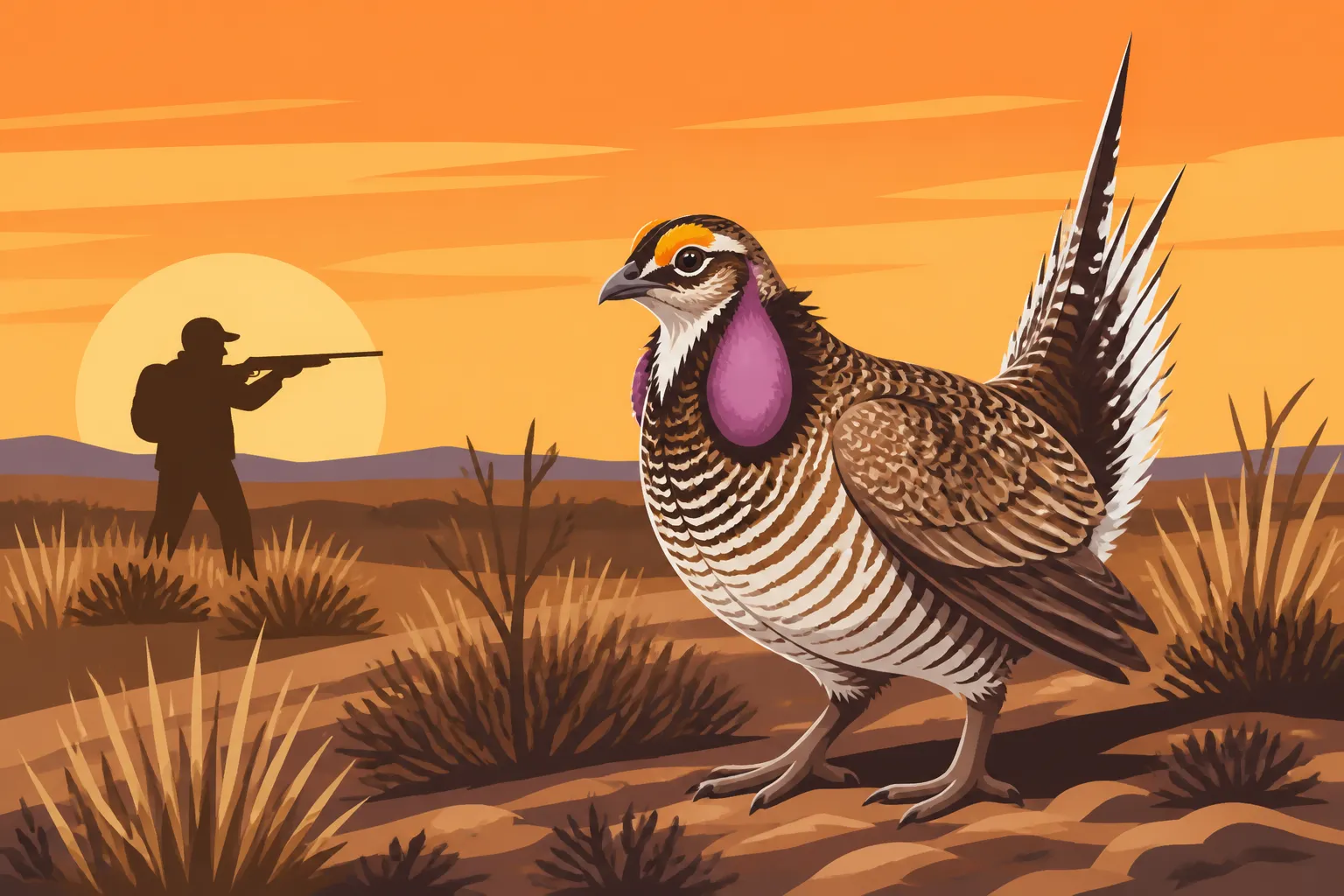
The males fan their tails, inflate purple air sacs on the sides of their necks, and stamp their feet rapidly, producing a drumming sound that resonates across the open landscape. They engage in short, buzzing flights and often spar with other males, all to attract the attention of observant hens. Each male attempts to establish a small territory on the lek, fiercely defending it while putting on his best show. Hens will visit the lek, observe the displays, and choose a mate. This communal breeding system is a critical part of their reproductive strategy, but it also makes them vulnerable if these traditional lekking sites are disturbed or encroached upon. These leks are the heart of the sharp-tail world.
Nesting Success and Brood Rearing Challenges
After mating on the lek, hens move off to build their nests, typically in dense grass or under small shrubs within the barrens. They are masters of camouflage, and their nests, often just a shallow depression lined with grass and feathers, are incredibly hard to spot. A typical clutch consists of 10-14 eggs, which the hen incubates for about three weeks. Nesting success is a critical factor for population stability, and it faces numerous challenges.
Predation from coyotes, foxes, skunks, and various raptors is a constant threat. Weather can also play a significant role; late spring snows or heavy, cold rains can destroy nests or chill young chicks. Once hatched, the precocial chicks quickly leave the nest and are able to feed themselves, but they remain vulnerable. The hen leads her brood through the barrens, seeking out insects – especially grasshoppers and beetles – which are vital for the chicks' rapid growth. They need areas with good insect populations and sufficient cover to hide from predators. Habitat quality, therefore, directly impacts brood survival, which is ultimately what drives population numbers.
Seasonal Movements and Food Sources
Sharp-tailed grouse, while generally non-migratory, do exhibit some seasonal movements in response to food availability and weather conditions. During the spring and summer, their diet primarily consists of insects, tender green vegetation, seeds, and berries. Blueberries and cranberries are particularly favored when ripe in late summer and fall. As autumn progresses into winter, their diet shifts to more woody browse, buds, catkins, and waste grain if available near agricultural edges within or adjacent to barrens.
In winter, sharp-tails often seek out denser cover, such as stands of jack pine or scrub oak, for roosting and protection from harsh weather and predators. They may "snow roost," burrowing into soft snow to conserve body heat, similar to ruffed grouse. Their ability to adapt their diet to seasonal changes is key to their survival in a dynamic environment. Hunters targeting Sharp-Tailed Grouse on Wisconsin Barrens need to consider these seasonal shifts. Late-season hunting, for example, might find birds concentrated in areas with specific food sources or dense thermal cover, while early season hunting often focuses on brood-rearing cover.
Hunting Seasons and Regulations for Sharp-Tailed Grouse
Hunting sharp-tailed grouse in Wisconsin is not like hunting squirrels or rabbits; it's a highly regulated, limited opportunity designed to conserve the species while still offering a unique experience. Understanding the specifics of the season and permits is absolutely critical before you even think about heading afield.
Permit System and Application Process
Due to their low population numbers and specific habitat requirements, hunting sharp-tailed grouse in Wisconsin operates under a strict permit system. This isn't a general license you pick up at any sporting goods store. Instead, it involves an application and drawing process, similar to what you might experience for bear or elk. Usually, a limited number of permits are issued each year, often only for specific zones.
Hunters must apply for a Sharp-Tailed Grouse Permit through the Wisconsin DNR's Go Wild system, typically with an application deadline in late summer. It's a drawing, so there's no guarantee you'll receive a permit, and preference points are not generally accumulated for this draw. The number of permits issued each year is directly tied to population surveys and the health of the species. This ensures that hunting pressure remains minimal and sustainable, reflecting the DNR's commitment to conservation. Always check the current year's regulations for specific application dates and details; they can change annually based on population assessments.
Designated Hunting Zones and Dates
The sharp-tailed grouse season in Wisconsin is generally short and restricted to specific zones where viable populations exist. These zones almost exclusively correspond to the actively managed barrens complexes in northwestern Wisconsin. For example, areas like the Douglas County Barrens, Crex Meadows Wildlife Area in Burnett County, and the Namekagon Barrens Wildlife Area in Burnett and Washburn counties are prime examples.
The season dates are typically in October, often only a week or two long, to minimize impact on the birds before the full brunt of winter sets in. Bag limits are also very conservative, often just one bird per hunter for the season, or sometimes only one per day with a very low season limit. It's crucial to consult the annual Wisconsin Small Game and Furbearer Seasons regulations pamphlet directly from the DNR or use resources like GoHunt to verify the exact dates, zones, and bag limits for the current hunting year. These details are paramount for legal and ethical hunting, ensuring you don't inadvertently violate any rules for such a sensitive species.
Ethical Hunting Practices and Safety Considerations
Hunting sharp-tailed grouse comes with a responsibility to uphold the highest ethical standards. Given their rarity, every bird harvested is significant. This means taking only clean, ethical shots and making every effort to recover downed birds. Avoid shooting into flocks on the ground or in trees, which can be tempting but is not sporting or respectful of the bird's limited numbers. Your goal should be a single, flushing bird.
Safety in the barrens is also paramount. These are often vast, remote areas, and it's easy to get disoriented, especially when focused on working a dog or tracking a bird. Carrying a GPS unit or using a reliable mapping app like the Wisconsin Hunt Wild App is essential. Be aware of other hunters, especially if you're hunting during the general small game season, and always wear sufficient blaze orange or pink. Familiarize yourself with Wisconsin Hunter Safety and Mentored Hunting requirements. Respect private land boundaries, even within large public barrens, and always practice safe firearm handling. The barrens, while beautiful, can be unforgiving, so preparedness and caution are your best companions.
Effective Hunting Tactics for Wisconsin Barrens
Hunting sharp-tailed grouse requires a specific set of tactics that differ significantly from those used for other upland birds. You're not busting through thick cover like you might for ruffed grouse; instead, you're covering vast, more open ground. It's a game of covering miles and understanding how these birds use their expansive habitat.
Flushing Tactics and Working a Dog
The most effective way to hunt sharp-tailed grouse is by covering ground, often called "still-hunting" or simply walking, in combination with a well-trained bird dog. Sharp-tails tend to hold tight in cover, especially in the scattered brush patches or along the edges of denser woods within the barrens. They won't always flush wildly; sometimes they'll run ahead of you, making a dog invaluable.
A good pointing dog is a game-changer. They can scent birds that you would otherwise walk right past, locking up on point and allowing you to move in for the flush. Retrievers are also excellent, as sharp-tails can sometimes sail for long distances after the shot, making recovery challenging in tall grass or brush. Without a dog, you'll need to walk slowly and deliberately, pausing frequently, especially around denser pockets of cover, to try and induce a flush. Walking into the wind can sometimes help carry your scent (and your dog's) to the birds, but also be aware that the birds might flush out and fly with the wind, carrying them quickly away. For general tactics, consider some of the advice you'd find in a guide to Flushing Grouse Without a Dog, but adapt it to the more open barrens environment.
Scouting for Prime Sharptail Cover
Effective scouting is paramount for sharp-tailed grouse hunting. You can't just pick a spot on a map and expect to find them; you need to identify areas within the designated hunting zones that offer the specific habitat they prefer. This means looking for a mosaic of open grasslands, scattered scrub oak, and young jack pine. Pay particular attention to areas that have been recently burned (within 2-5 years) or mechanically treated, as these often produce the fresh growth and open structure that sharp-tails favor.
Utilize aerial maps and satellite imagery (like those available on GoHunt) to identify these diverse habitat types. Look for edges where open barrens meet denser timber, as these can act as travel corridors or protective cover. During the spring, scouting for old lekking grounds can give you a clue to general areas where birds are present, though they won't be on the leks in the fall. Focus on areas with good visibility but enough scattered cover for birds to feel secure. Even something as simple as Reading Aerial Photos for Coulee Deer can offer insight into interpreting habitat via map, a skill transferable to barrens. Fresh sign, like droppings or dusting bowls, are direct indicators of recent bird activity.
Reading the Wind and Weather Conditions
Wind and weather play a significant role in sharp-tailed grouse behavior and hunting success. On calm days, birds might be more spread out and harder to find. On windy days, they may hunker down in denser cover to escape the elements, making them even harder to flush. Strong winds can also make it difficult for dogs to scent birds and can carry the sound of a flush away, making it tougher for you to pinpoint where the bird went.
Overcast days with light breezes often offer the best conditions. After a light rain, birds may be more active, foraging in open areas. Keep an eye on rising temperatures; on warmer days, birds may seek shade earlier. Understanding these nuances, especially how grouse react to changing conditions, can help you adjust your strategy. If it's windy, focus on leeward sides of ridges or sheltered depressions. If it's warm, target early mornings and late afternoons when birds are more active. Paying attention to these subtle cues can make the difference between a frustrating walk and a successful hunt.
Essential Gear for Sharp-Tailed Grouse Hunting
Hunting sharp-tailed grouse requires gear that matches the expansive, often rugged nature of the barrens. It's about being prepared for long walks, unpredictable flushes, and varying weather. Thinking about your setup for hunting ruffed grouse might be a good starting point, but you'll need to make some key adjustments for the more open and vast barrens.
Shotguns, Chokes, and Ammunition Selection
For sharp-tailed grouse, a fast-swinging, lightweight shotgun is ideal, as shots are often taken on rapidly flushing birds in relatively open country. Most hunters opt for a 20-gauge or 12-gauge shotgun. A 20-gauge often provides a good balance of carry weight and sufficient knockdown power for these medium-sized birds. An over/under or side-by-side offers quick follow-up shots, while a semi-automatic or pump can also be effective.
In terms of chokes, a more open choke like Improved Cylinder (IC) or Modified is generally preferred, especially when hunting with a dog that puts you in close proximity to the flush. Sharp-tails tend to hold tighter than ruffed grouse sometimes, but once airborne, they can be fast. For ammunition, common choices include #6 or #7.5 shot, often in a high-brass game load. Remember that in some sensitive areas, or if you're also hunting waterfowl in certain zones, Nontoxic Shot Is Required in Wisconsin. Always verify local regulations. The Best Shotgun Gauge for Wisconsin Grouse generally comes down to personal preference for carry weight and recoil, but versatility is key.
Navigational Tools and Mapping Apps
Navigating the vastness of the barrens without getting lost can be a significant challenge. These areas often lack prominent landmarks, and it's easy to become disoriented, especially when traversing long distances while following a dog. A reliable GPS unit or a smartphone with a robust mapping app is an absolute must-have. Apps like the Wisconsin Hunt Wild App or commercial products such as GoHunt or onX Hunt are invaluable.
These apps allow you to download offline maps, mark your vehicle, track your path, and identify public land boundaries. This is critical for staying safe and respecting private property. Many barrens areas are a patchwork of public and private ownership, and knowing exactly where you are at all times prevents accidental trespass. Also, consider carrying a compass and a physical map as a backup, especially if you anticipate areas with no cell service. A portable power bank for your phone is also a smart addition for all-day hunts. Don't underestimate the size and uniformity of the barrens; a reliable navigation system is your best friend.
Appropriate Clothing and Footwear
Given the expansive nature of barrens hunting, comfort and protection are key. You'll be doing a lot of walking, often through sandy soils, sparse brush, and potentially wet low spots. Lightweight, breathable hunting clothing in layers is recommended, as fall days in Wisconsin can start cool and warm up significantly. Blaze orange or pink is required during any firearm hunting season and is highly recommended even during archery/small game only seasons for safety. Consider a blaze orange vest or hat to ensure high visibility.
Footwear should be sturdy, comfortable, and waterproof. High-quality upland boots or hiking boots with good ankle support are ideal. You'll want something that can handle uneven terrain and potential moisture, especially from morning dew or unexpected rain. Brush pants or chaps are also a wise investment, protecting your legs from thorns, burrs, and abrasive vegetation. A lightweight daypack with water, snacks, a first-aid kit, and extra layers will complete your gear setup for a long day in the field. Think about the conditions you'd prepare for when Hunting Wisconsin's Fall Turkey Season, and you'll be on the right track for sharp-tails too.
Conservation Efforts and Future of Sharptails in Wisconsin
The story of the sharp-tailed grouse in Wisconsin is inextricably linked to conservation. These birds are not here by accident; they are a direct result of dedicated efforts to restore and maintain their fragile habitat. Understanding these efforts and how hunters contribute is vital for their future.
DNR and Partner Organizations' Management Strategies
The Wisconsin DNR, in partnership with various conservation organizations, leads the charge in managing and preserving sharp-tailed grouse habitat. Groups like the Ruffed Grouse Society (despite their name, they are deeply involved in all grouse species), the National Wild Turkey Federation, and local conservation clubs are often instrumental in providing funding and volunteer labor for habitat projects.
The primary strategy revolves around active barrens management. This includes extensive prescribed burning programs, which are carefully planned and executed to mimic natural fire regimes. Mechanical shearing or mowing is also used to control woody encroachment in areas where fire might be difficult or unsafe to implement. These efforts aim to create the diverse, open mosaic of habitat that sharp-tails need for all stages of their life cycle. Furthermore, the DNR monitors populations through annual lek counts and harvest data, using this information to adjust hunting regulations and management priorities to ensure the long-term sustainability of the species.
Challenges Facing Sharptail Recovery
Despite dedicated conservation efforts, sharp-tailed grouse in Wisconsin face significant challenges that make their full recovery an uphill battle. Perhaps the biggest hurdle is the fragmentation and limited extent of suitable barrens habitat. What remains is often isolated, making it difficult for populations to expand and connect. Urban and agricultural development continue to encroach on potential habitat, and even small changes in land use can have disproportionate impacts on these sensitive birds.
Another major challenge is the ongoing struggle against natural forest succession. Without constant, active management, the barrens will naturally revert to denser forest. This requires a significant, long-term commitment of resources, manpower, and funding. Climate change also presents a potential threat, with altered fire regimes and more extreme weather events potentially impacting nesting success or food availability. Furthermore, the genetic diversity of isolated populations can become a concern over time, making them potentially less resilient to disease or environmental shifts.
Hunter Contributions to Conservation
Hunters play an absolutely critical role in the conservation of sharp-tailed grouse in Wisconsin, both directly and indirectly. First and foremost, the revenue generated from hunting licenses and stamps, including specific permits for sharp-tails, flows directly back into wildlife management and habitat conservation programs. This "user pays, wildlife benefits" model is the bedrock of wildlife conservation in North America.
Beyond license fees, many hunters are active members of conservation organizations that directly support barrens management. They volunteer their time for habitat projects, advocate for sound wildlife policies, and educate the public about the importance of these unique ecosystems. By purchasing specific permits for these birds, hunters are making a statement that they value the opportunity to pursue this unique game species and are willing to contribute to its continued existence. The limited hunting season itself is a carefully managed conservation tool, allowing for a recreational opportunity while ensuring population health. Hunters are truly partners in the ongoing effort to keep the sharp-tailed grouse a part of Wisconsin's wild landscape.
Finding Public Access to Wisconsin Barrens
One of the biggest hurdles for anyone interested in sharp-tailed grouse hunting is simply knowing where to go. While the habitat is specialized, Wisconsin does offer public lands where these birds can be found, but it requires some diligent research and a good understanding of the landscape. This isn't like walking into any state forest; you need to target very specific areas.
Key Public Barrens Areas for Hunting
The vast majority of sharp-tailed grouse hunting opportunities in Wisconsin exist on state-managed public lands specifically dedicated to barrens habitat. These are often large wildlife areas or state forests that have ongoing habitat management. The most prominent examples include:
- Crex Meadows Wildlife Area (Burnett County): This is arguably the most famous and largest actively managed barrens complex in Wisconsin, covering tens of thousands of acres. It's a premier location for sharp-tails, prairie chickens, and a host of other grassland and wetland species.
- Namekagon Barrens Wildlife Area (Burnett & Washburn Counties): Another significant complex, offering similar habitat and opportunities to Crex.
- Douglas County Wildlife Area / Douglas County Barrens: Large tracts of managed barrens in the far northwestern corner of the state.
These areas are specifically managed for their unique ecosystems, and they represent the core of the state's sharp-tailed grouse range. While other smaller, isolated barrens patches may exist, these large, interconnected properties offer the best chance for hunters to find birds and experience the true barrens environment. For more general information on accessing these spaces, check out Public Hunting Land in Wisconsin.
| Public Barrens Area | County/Counties | Primary Features | Notes for Hunters |
|---|---|---|---|
| Crex Meadows Wildlife Area | Burnett | Extensive pine barrens, wetlands, grasslands | Well-known for sharp-tails and other unique wildlife. Check specific unit maps and regulations. |
| Namekagon Barrens Wildlife Area | Burnett, Washburn | Pine and oak barrens, diverse upland habitats | Offers similar habitat to Crex, often less crowded. Requires scouting for active areas. |
| Douglas County Wildlife Area | Douglas | Large tracts of managed barrens, jack pine forests | Good opportunities in the far north. Be prepared for remote conditions and long walks. |
| Wood County Wildlife Area | Wood | Central Wisconsin barrens, brush prairie, oak savannas | Smaller, more isolated populations. Check current regulations as opportunities may vary. |
Utilizing Mapping Resources for Access
Simply knowing the names of these areas isn't enough; you need to understand how to navigate them effectively. The best tools for this are detailed mapping resources. The Wisconsin DNR's website offers maps of all state wildlife areas, often showing habitat types, access roads, and boundaries. Using the Scouting With the Wisconsin Hunt Wild App is another powerful approach, allowing you to layer different map views, mark waypoints, and track your movement in real-time.
Third-party mapping applications like GoHunt and onX Hunt are also invaluable. They provide detailed aerial imagery, topographical maps, and clearly delineate public and private land boundaries. This is crucial in barrens areas, where property lines can be subtle and difficult to discern on the ground. Use these tools to identify access points, parking areas, and to pre-plan your hunting routes. Look for areas with a mix of open grass, scattered brush, and young timber—this mosaic is key habitat. Remember to download maps for offline use before you head out, as cell service can be spotty in these remote areas.
Respecting Boundaries and Minimizing Impact
When hunting sharp-tailed grouse on public land, responsible land use and respect for the environment are paramount. Always be aware of property boundaries, especially when hunting near the edges of public land. Accidental trespass can lead to legal issues and give hunters a bad name. Utilize your mapping tools to stay on public ground.
Minimize your impact on the delicate barrens ecosystem. Stick to designated trails or existing two-tracks when driving or ATVing (where permitted). Avoid trampling sensitive vegetation unnecessarily. Pack out everything you pack in, leaving no trace of your presence. If you're using a dog, ensure it's well-controlled and doesn't harass other wildlife. Be mindful of others who might be using the public land, whether they are hunters, birdwatchers, or hikers. Because sharp-tailed grouse populations are so sensitive, the opportunity to hunt them is a privilege. By being a responsible and respectful hunter, you help ensure that this unique experience remains available for future generations.
Disclaimer
Please note: Hunting regulations, season dates, and permit requirements in Wisconsin are subject to change annually. Always consult the most current Wisconsin Department of Natural Resources (DNR) regulations and pamphlets before planning any hunting trip. This guide is for informational purposes only and should not be considered a substitute for official DNR publications.