Hunting a Funnel Between Two Swamps
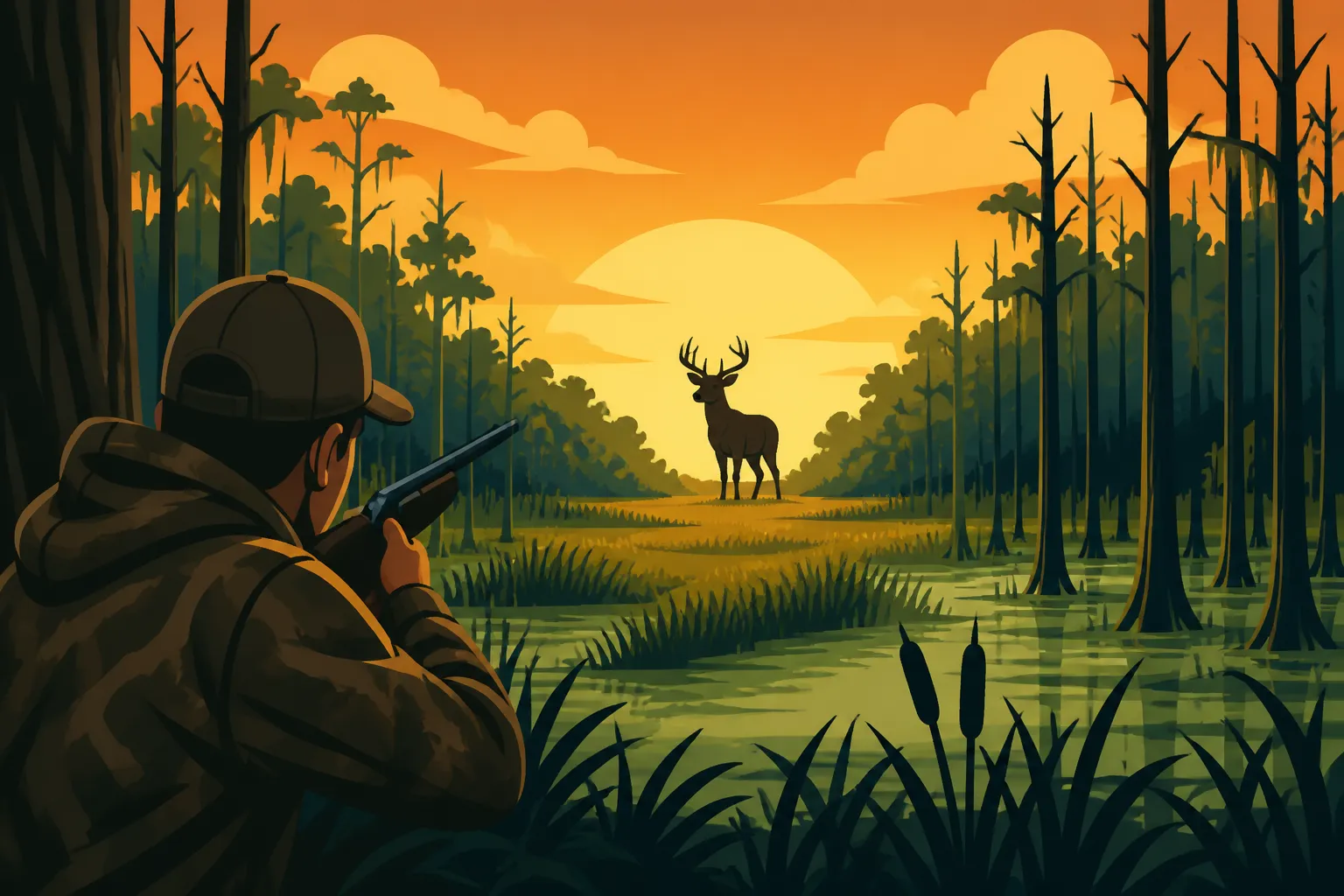
If you've spent any time hunting in Wisconsin, you know the frustration of deer seemingly vanishing into vast, impenetrable swamps. These dense, wet areas provide incredible security and cover, but trying to hunt them directly can feel like searching for a needle in a haystack. The secret, often, isn't to dive into the swamp, but to find those subtle, natural pathways deer use to travel between them. This guide is all about identifying, scouting, and effectively hunting those high-traffic funnels that connect two distinct swampy havens, dramatically increasing your odds of encountering cruising bucks and feeding does.
Understanding Swamp Funnels in Wisconsin
Wisconsin is blessed with an abundance of diverse landscapes, and that includes countless swamps, marshes, and wetland complexes. These areas are sanctuaries for deer, especially mature bucks seeking refuge from hunting pressure. While a swamp might seem like a barrier, deer are incredibly efficient at navigating their environment, and they'll always choose the path of least resistance when moving between secure bedding areas or towards food sources. This is where the concept of a "swamp funnel" comes into play – a bottleneck of timber, higher ground, or even just slightly drier, more open cover that connects two larger, denser swampy regions.
Defining the "Swamp Funnel"
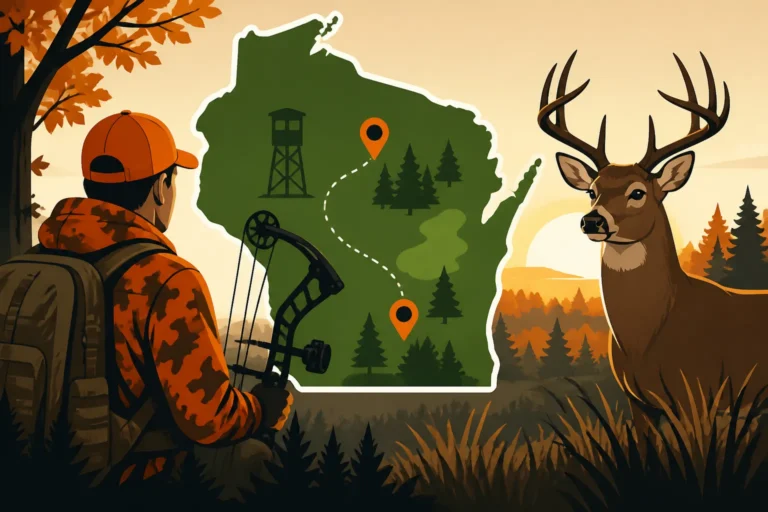
A swamp funnel isn't always a dramatic, obvious choke point on a map. Sometimes it's a subtle rise in elevation between two low-lying, water-filled areas. Other times, it's a narrow strip of timber, perhaps a mix of hardwoods and pines, that offers just enough dry ground for deer to walk comfortably without wading through deep water or fighting through incredibly thick, tangled alders. Think of it as a natural bridge or a narrow, dry highway running through an otherwise impassable wetland. Deer will consistently utilize these features because it's simply easier and safer than pushing through dense, wet cover, especially during the colder months when energy conservation is key. These funnels often link a bedding swamp to a feeding swamp, or connect two separate bedding areas, providing a consistent travel corridor that bucks will cruise during the rut.
Why Deer Gravitate to These Features
Deer, particularly mature bucks, are masters of efficiency and security. When they can move from one secure, low-pressure area to another without exposing themselves to wide-open spaces or expending unnecessary energy, they will. Swamp funnels provide exactly this kind of pathway. They offer:
- Security: The funnel itself, while a travel route, is often still surrounded by thick swamp cover, giving deer a sense of concealment. They aren't crossing a wide-open field or a busy logging road.
- Efficiency: It's a direct, easier path. Instead of navigating tangled blowdowns or waist-deep water, they can walk on relatively solid ground. This is especially true when snow accumulates, making deep swamps even harder to traverse.
- Reduced Human Pressure: Many hunters shy away from the edges of vast swamps because the hunting can be challenging, the ground is wet, and getting a deer out is a nightmare. This inadvertently creates zones of lower pressure, making funnels within or adjacent to these areas even more appealing to wary whitetails.
- Strategic Advantage for Bucks: During the rut, bucks will often scent-check these funnels, knowing that does moving between bedding and feeding areas will use them. It becomes a prime cruising lane and a place to pick up scent trails.
Common Challenges of Swamp Edge Hunting
Hunting the edges or interiors of swamps comes with its own set of frustrations. It's not for the faint of heart, and many hunters give up before they even start. One major challenge is simply the terrain itself. You're dealing with potentially knee-deep muck, standing water, thick vegetation that obstructs visibility, and the constant battle against mosquitoes in the early season or freezing cold water in the late season. Extracting a deer from the depths of a swamp is a monumental task that can test even the most experienced hunter's resolve. Furthermore, scent control becomes incredibly difficult when you're constantly pushing through damp, odorous vegetation. Finding clear shooting lanes can also be a significant hurdle, as the dense cover often restricts shots to mere yards. This is precisely why focusing on the funnels within these challenging landscapes is so vital – you're looking for the path of least resistance for both the deer and, ideally, for your hunting efforts.
Scouting and Identifying Key Funnel Locations
Finding these elusive swamp funnels is where the real work, and fun, begins. It's a combination of modern mapping technology and good old-fashioned boots-on-the-ground detective work. Don't assume a spot looks good on a map means it will be good in person, and vice versa. Every piece of public land in Wisconsin holds secrets, and patience in scouting is your greatest ally.
Topographical Map and Aerial Imagery Recon
Before you even tie your boots, your best friend will be detailed topographical maps and high-resolution aerial imagery. Platforms like GoHunt offer incredibly robust mapping tools that allow you to zoom in and identify subtle changes in elevation, vegetation types, and water bodies. Look for:
- Narrow Land Bridges: Scan between large, dark-green areas (indicating dense swamp cover) for lighter green or brown strips. These often signify slightly higher, drier ground. Pay close attention to contour lines on topo maps; if they pinch together or form a narrow saddle between two low-lying areas, you’ve likely found a potential funnel.
- Timber Transitions: Sometimes, a funnel isn't just about dry ground, but about a change in tree species. For instance, a strip of hardwoods or pines might run between two areas dominated by tag alders or tamarack, offering more open understory for deer to travel through.
- Drainage Patterns: Look for small creeks or drainage ditches that might flow through a swamp. Deer will often follow the higher ground along these features.
- Existing Trails: While you won't see deer trails from space, you might spot faint lines that indicate old logging roads or ATV trails cutting through a swamp. These are often repurposed by deer.
Take your time with this digital scouting. Mark potential funnels as waypoints on your GPS or mapping app. This initial recon can save you countless hours of slogging through unproductive swamp. Remember, the goal is to pinpoint areas where deer must concentrate their movement. Platforms like GoHunt are great for this, allowing you to layer different map views to get a comprehensive understanding of the terrain. For more general scouting tips, check out Scouting Wisconsin Public Land Before Season.
Boots-on-the-Ground Sign Reading
Once you have your digital waypoints, it's time to hit the ground. There's no substitute for walking the terrain. Even the best aerial photos can't tell you if a supposed "dry strip" is actually a knee-deep bog or if that "timber edge" is choked with impenetrable thorny brush.
- Confirming the Funnel: Walk your identified funnels. Is the ground consistently dry enough? Is the understory open enough for comfortable deer travel? Look for a distinct narrowing of suitable terrain.
- Locating Fresh Sign: This is critical. Look for heavily used deer trails that cut through the funnel. You're not looking for a faint track here and there; you want a worn path, ideally with multiple trails converging.
- Tracks: Look for fresh deer tracks, especially larger ones indicating mature bucks.
- Scrapes and Rubs: While scrapes and rubs can be found anywhere, finding them consistently within a funnel, particularly during the pre-rut and rut, is a massive indicator of frequent buck traffic.
- Droppings: Abundant deer droppings are another clear sign of heavy usage.
- Understanding Deer Movement: Try to visualize how deer are using the funnel. Are they coming from a specific bedding area within one swamp and heading towards a particular feeding area outside the other? Are they simply cruising the funnel looking for does? This understanding will inform your stand placement. This kind of detailed ground scouting is essential, much like understanding Reading a Ridge Point for Deer Movement in other terrain types.
Camera Strategy in Funnels
Trail cameras are invaluable tools for confirming deer movement patterns and understanding the quality of bucks using your identified funnels. Once you've pinpointed a promising funnel, deploy your cameras strategically.
- Placement: Position cameras directly over established deer trails within the funnel. Mount them high on a tree, angled down, to reduce the chance of theft and get a better view of deer approaching. Use security measures if hunting public land.
- Frequency: Check cameras sparingly to avoid disturbing the area. During the early season, once every week or two might suffice. As the rut approaches, you might increase checks to once a week, or even use cellular cameras if allowed and feasible to minimize your presence.
- Data Analysis: Pay attention to the time of day deer are moving through the funnel. Are they mostly nocturnal, indicating heavy pressure or that the funnel is primarily a bedding-to-bedding route? Or are they moving during daylight hours, suggesting it's a prime hunting spot? Note the size and age class of bucks captured. If you're consistently getting pictures of mature bucks in daylight, you've found a gem. This data, combined with knowledge of Hunting the Pre-Rut in Late October or Hunting the Peak Rut Week in Wisconsin, can help you time your hunts perfectly.
Effective Hunting Strategies for Swamp Funnels
Once you’ve identified and thoroughly scouted your swamp funnel, the next step is to strategize your hunt. This isn't just about hanging a stand; it's about anticipating deer movement, managing your scent, and executing a flawless entry and exit.
Optimal Stand Placement for Various Winds
Wind is arguably the single most critical factor when hunting deer, and it's even more crucial in swampy areas where thermal currents can be tricky. A funnel, by its very nature, often dictates a narrower line of travel for deer, making it easier for them to bust you if your scent is carried into their path.
- The "Double Stand" Approach: For a truly effective strategy, consider setting up two, or even three, stand locations for different wind directions.
- Stand 1 (Prevailing Wind): Place your primary stand downwind of the most active deer trails for your typical wind direction (e.g., a northwest wind). This is your go-to setup.
- Stand 2 (Alternate Wind): Set up a secondary stand to accommodate an opposite or less common wind direction (e.g., a southeast wind). This ensures you have options without having to move a stand last minute.
- Ground Blind Option: Don't overlook the utility of a well-brushed-in ground blind, especially if trees are sparse or unsuitable for treestands. A permanent ground blind can be set up well in advance, allowing deer to get used to its presence. This is especially useful in areas with challenging tree cover, similar to how you might use Using a Ground Blind on Wisconsin Public Land.
- Playing the Thermals: In swampy, low-lying areas, thermals can be a big factor, especially during calm mornings and evenings.
- Morning: As the air warms, thermals generally rise. Your scent will tend to lift and disperse upwards. Consider setting up slightly lower in the funnel.
- Evening: As the air cools, thermals drop. Your scent will fall and drift downhill. Setting up higher can be advantageous here.
- Shooting Lanes: Clear shooting lanes in advance. You want to be able to make a clean shot at multiple angles. Deer often move quickly through funnels, so practice quick target acquisition.
Here's a quick reference for stand placement and wind:
| Wind Direction (from Hunter) | Deer Approach Expectation | Stand Placement Consideration | Scent Management Tip |
|---|---|---|---|
| North | Often from South | South side of funnel, facing North | Use scent eliminators, shower with unscented soap. |
| South | Often from North | North side of funnel, facing South | Change clothes away from the hunting area. |
| East | Often from West | West side of funnel, facing East | Store hunting clothes in scent-free bags. |
| West | Often from East | East side of funnel, facing West | Avoid touching anything unnecessary on the way in. |
| Variable/Swirling | Unpredictable | Higher ground, or use a ground blind with scent control | Avoid hunting if possible, or use extreme caution and a blind. |
Mastering Entry and Exit Routes
Your entry and exit routes can make or break a hunt, particularly in sensitive funnel locations. The goal is to approach and leave your stand undetected, leaving as little scent and disturbance as possible.
- Stealth is Paramount: Always plan a route that keeps you out of known bedding areas and feeding zones. If deer know you're coming or going, they'll adjust their patterns.
- Utilize Natural Cover: Use ditches, creek beds, dense timber, or elevation changes to conceal your movement.
- Avoid the Funnel Itself: Never walk directly through the funnel to get to your stand. Approach from the side, downwind, and perpendicular to the anticipated deer movement.
- Water Access: If possible, consider accessing your stand by canoe or kayak, especially if the swamp is navigable. This is arguably the most silent and scent-free entry method. If hunting near the Mississippi River, this might be a viable option for Hunting Mississippi River Backwaters.
- Entry/Exit Times:
- Morning: Arrive well before first light, giving you ample time to get settled and for the woods to calm down before deer start moving.
- Evening: Stay on stand until well after dark, allowing deer to move off naturally before you exit. Use a headlamp with a red-light option to minimize disturbance.
- Scent Control: Beyond just spraying down, think about your entire process. Drive to your spot in clean clothes, change into your hunting gear away from the woods, and use scent-eliminating sprays on your boots and lower garments, as ground scent is what deer often detect first in a funnel.
Calling and Decoy Considerations
While primarily ambush points, swamp funnels can sometimes be enhanced with strategic calling and decoys, especially during the rut. However, caution is key.
- Calling:
- Grunt Calls: A subtle grunt can be effective for stopping a cruising buck or drawing in a curious one. Don't overdo it. A single grunt every 15-20 minutes might be all you need, especially if you're hunting during Rattling and Grunting in Wisconsin prime time.
- Rattling: If you believe a mature buck is in the vicinity and the cover is thick enough to obscure the source of the sound, light rattling can sometimes pique a buck's interest. However, be prepared for a deer to come in quickly and aggressively.
- Doe Bleats: During the early rut, a doe bleat can sometimes attract bucks looking for receptive does.
- Decoys:
- Buck Decoy: A single buck decoy, especially a smaller, non-threatening one, can be placed within the funnel to draw in a challenging buck. Position it quartering away from your stand, providing a good shot angle. Ensure it's visible but not overly exposed, and make sure the wind is in your favor.
- Doe Decoy: A doe decoy can be effective in drawing in bucks that are cruising for companionship. Place it within the funnel or just at the edge, offering a clear shot.
- Considerations:
- Visibility: Decoys need to be visible but not so exposed that they look out of place. Funnels often have enough cover to make a decoy seem natural.
- Hunting Pressure: In high-pressure areas, decoys can sometimes alert wary deer more than attract them. Use your judgment based on the specific hunting area.
- Safety: Always be mindful of other hunters if using decoys on public land, especially a buck decoy during gun season. Wear ample blaze orange when approaching and leaving your decoy.
Seasonal Considerations and Adaptations
Deer use funnels year-round, but their specific patterns and motivations can shift with the seasons. Adapting your strategy to these changes is crucial for consistent success.
Early Season and Food Source Connections
During the early archery season in Wisconsin, often starting in mid-September, deer movement is heavily dictated by food sources and the need for security from insects. Swamp funnels are no exception, but the key is understanding their relationship to nearby nutrition.
- Food-Driven Movement: Deer will use these funnels to travel between secure swamp bedding areas and early-season food sources. This might be lush green agricultural fields (like corn or alfalfa), pockets of acorns in nearby oak ridges, or even natural browse within the swamp itself if it's high quality. Your scouting should focus on identifying these food sources and then tracing the most likely funnels leading to them.
- Timing: Early season hunting often means focusing on evening hunts, catching deer as they emerge from their beds and head to feed. Mornings can be good if deer are lingering near food or moving slowly back to bed.
- Insect Pressure: Be prepared for mosquitoes and other biting insects. Bug suits and repellents are essential, as incessant swatting will spook deer. The damp, humid environment of a swamp funnel can be a haven for insects well into October.
- Scent Control: With warmer temperatures, deer are highly sensitive to human odor. Shower, use scent-eliminating products, and manage your sweat carefully, as thermals can be unpredictable. When deer are moving between specific food sources, understanding Late-Season Food Sources for Whitetails can even inform early season scouting for future reference.
Rut Activity and Seeking Bucks
The Wisconsin rut, typically peaking in early to mid-November, transforms swamp funnels into high-traffic highways for cruising bucks. This is often the most exciting and productive time to hunt these locations.
- Cruising Lanes: Bucks will actively travel funnels, scent-checking for does that have passed through. They are often less cautious, driven by their urge to breed. You'll find increased rubs and scrapes along these routes as bucks mark their territory.
- All-Day Movement: Unlike the early season, rut activity can happen at any time of day. Be prepared to sit from dawn till dusk. Bucks might chase does through the funnel, or simply walk through looking for signs.
- Increased Aggression: Bucks might respond more readily to grunt calls or light rattling during this period, especially if they are challenging a perceived intruder.
- Stand Placement: While your core stand setups remain valid, consider adding a slightly more aggressive setup during the peak rut, perhaps closer to a freshly worked scrape or rub line, allowing you to intercept bucks making quick passes. This is when understanding how to optimize Hunting the Wisconsin Rut in November really pays off.
Late Season Thermal Cover and Security
As Wisconsin winters set in, with colder temperatures and often significant snow accumulation, deer priorities shift dramatically to thermal cover and conserving energy. Swamp funnels, particularly those offering dense evergreen cover, become even more critical.
- Thermal Regulation: Deer need dense cover to escape harsh winds and heavy snow. Cedar swamps, thick stands of young pines, or areas of dense tag alders offer excellent thermal cover. Funnels connecting these prime thermal bedding areas to remaining food sources become magnets for deer.
- Food Scarcity: Natural food sources become scarce. Deer will gravitate towards concentrated food, like standing cornfields (if present and accessible), brassicas, or any remaining acorns. The funnels leading to these food caches will see increased traffic.
- Energy Conservation: Deer will choose the easiest path. A relatively dry, clear funnel becomes even more appealing when slogging through deep snow in dense swamp is an energy drain. This is similar to how deer might use Where Northern Forest Bucks Bed in heavy cover.
- Timing: Late season often means focusing on the warmest parts of the day when deer are most likely to move from bedding to feeding, usually mid-morning to late afternoon. Early morning and late evening can be too cold for extensive movement.
- Winter Gear: Dress warmly in layers, including insulated boots and hand warmers. You'll be sitting for long periods in potentially bitter cold. Quiet materials like wool are excellent for staying warm and silent.
- Tracking Opportunities: Fresh snow can reveal exactly how deer are using the funnel, offering insights into their preferred pathways and activity levels. Consider still-hunting along the edges of the funnel if conditions are right, as discussed in Still-Hunting Wisconsin Cedar Swamps.
Successfully hunting a funnel between two swamps in Wisconsin is a rewarding challenge. It requires diligence in scouting, meticulous planning, and an understanding of how deer use their environment throughout the hunting season. By focusing on these natural pinch points, you're tapping into consistent deer movement patterns that many other hunters overlook, giving you a distinct advantage in the field.
Disclaimer
Hunting is an inherently dangerous activity. Always prioritize safety, follow all Wisconsin Department of Natural Resources regulations, and obtain appropriate licenses and tags before hunting. Be aware of your surroundings, know your target and what is beyond it, and hunt ethically and responsibly. This guide provides general information and should not replace professional guidance or your own thorough assessment of local conditions.