Grant and Crawford County Public Ground
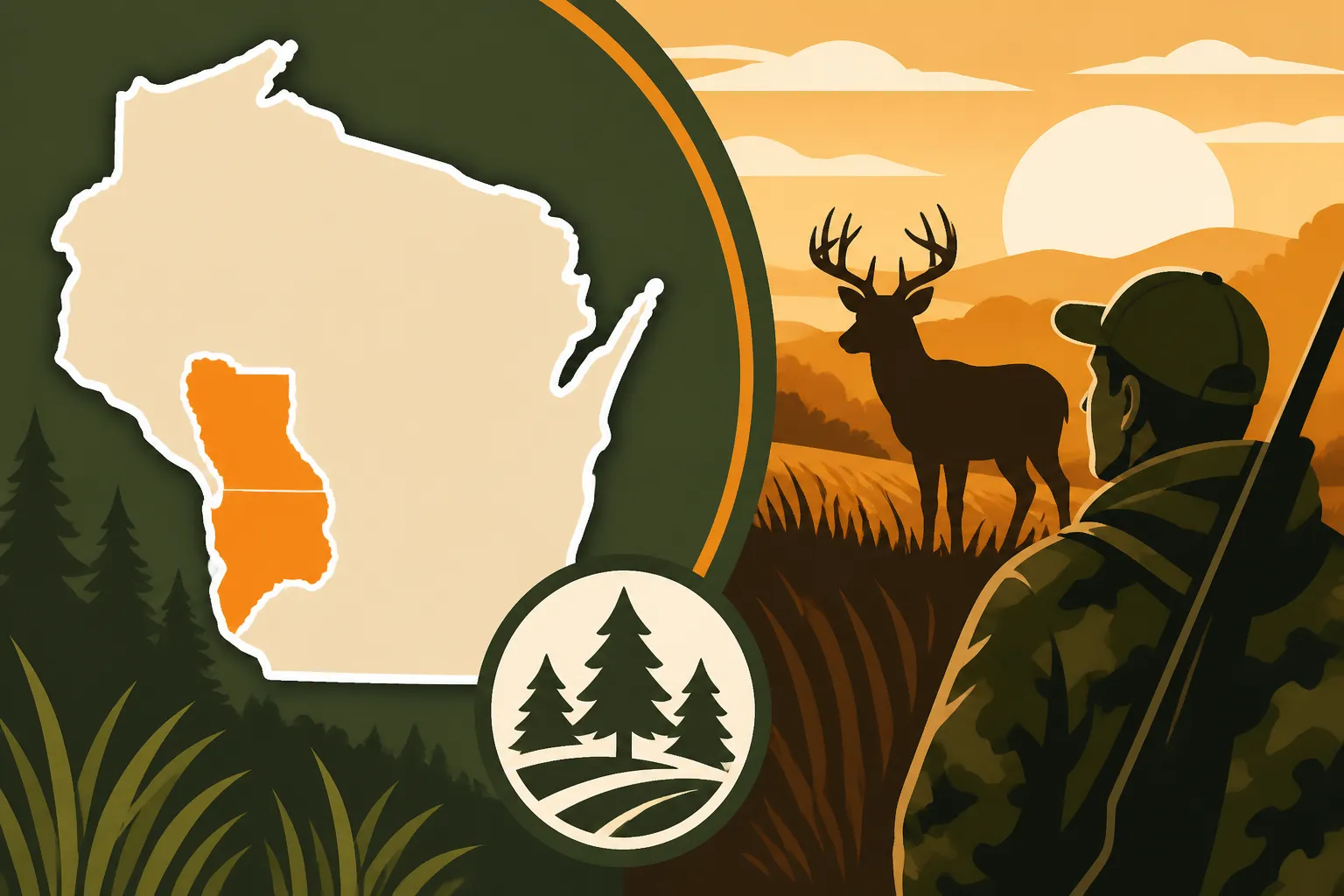
There's nothing quite like the beauty and challenge of Wisconsin's Driftless Area, especially when you're trying to figure out where to hunt. For many of us, the idea of public land hunting can feel overwhelming, with fears of crowds and limited opportunities. This guide is all about demystifying public hunting in Grant and Crawford counties, offering practical advice and specific locations to help you find success in these incredibly rugged and rewarding parts of the state.
Understanding Public Hunting Opportunities in Wisconsin's Driftless Region
The Driftless Area, that unique corner of Wisconsin untouched by glaciers, offers a hunting experience unlike any other in the state. Instead of flat plains or dense, uniform forests, you're greeted with a dramatic landscape of steep hillsides, deep coulees, winding rivers, and a mosaic of timber and agriculture. It's a land that tests your legs and your hunting acumen, but it also holds some incredible opportunities for those willing to put in the work. Grant and Crawford counties sit right in the heart of this region, providing access to both river bottomlands and the rugged bluffs that define the area.
The Unique Landscape of Grant and Crawford Counties
When you talk about Grant and Crawford counties, you're really talking about two distinct yet intertwined worlds. Grant County, in the south, features the broad sweep of the Wisconsin River as it merges with the mighty Mississippi. Here, you'll find expansive river bottoms, sloughs, and islands, often backed by impressive bluffs that rise sharply from the water. It’s a transition zone where waterfowl, small game, and whitetails thrive in distinct habitats. The topography can be incredibly varied, from flat, marshy ground to steep, timbered slopes within a stone's throw.
Crawford County, further north along the Mississippi, leans even more into the rugged coulee country. The bluffs are often taller, the ravines deeper, and the timber can be exceptionally dense. Farmers have carved out fertile fields in the valley bottoms and on the plateau tops, creating natural food sources that draw deer and other game from the surrounding cover. This checkerboard of agriculture and timber, coupled with the dramatic elevation changes, makes for complex but exciting hunting. Understanding the lay of the land, especially the Entry Routes on Steep Driftless Ground, is crucial here.
Navigating the Challenges of Public Access in Hill Country
Hunting public land in Grant and Crawford counties isn't always a walk in the park. The very terrain that makes it so beautiful also makes it physically demanding. You're not just dealing with the occasional hill; you're often climbing and descending hundreds of feet multiple times a day. Access points can be limited, and sometimes, the best hunting spots require a significant hike to get away from road noise and other hunters. This is where smart planning and a good mapping app become indispensable.
Another challenge is identifying true public land. With the patchwork of state, county, and private parcels, it's easy to accidentally trespass if you're not paying close attention. This is especially true where public land interfaces with private agricultural fields. You might find a gorgeous timbered hillside on a map, only to discover it's completely surrounded by private ground with no legal access. Always double-check your routes and boundaries. The good news is that these very challenges often deter less committed hunters, meaning those who put in the effort can find unpressured pockets of game.
Key Public Hunting Lands in Grant County
Grant County might be known for its rich agricultural output, but it also offers some fantastic public hunting, particularly around the Wisconsin and Mississippi River systems. These areas can be incredibly productive, but they demand a different approach than hunting timbered ridges.
Wisconsin River Bottoms and Adjacent Bluffs
One of the prime public hunting areas in Grant County revolves around the lower Wisconsin River. The Lower Wisconsin State Riverway (LWSR) encompasses a vast amount of public land along both sides of the river, from Prairie du Sac all the way to its confluence with the Mississippi. In Grant County, this means access to river bottom forests, sloughs, and islands, which are magnets for waterfowl, turkey, and deer. Imagine pushing through thick cattails or flooded timber, jump-shooting ducks, or stalking a wary whitetail along a creek bank.
The bluffs that rise sharply from the river bottom are also part of this public land network. These timbered slopes provide excellent bedding and travel corridors for deer. Hunting these areas often means identifying benches, saddles, and small draws that funnel deer movement. You might find yourself setting up a stand overlooking a hidden food plot on a private farm, watching deer filter out of the public timber at dusk. Access to these riverway lands can be via numerous boat launches, parking areas, or even just walking in from secondary roads. Always consult the official Wisconsin DNR maps, or an app like onX Hunt, to pinpoint specific public parcels within the riverway system.
Smaller State-Owned Parcels and Local Options
Beyond the expansive Riverway, Grant County also features a scattering of smaller state-owned parcels, often managed as State Wildlife Areas or Public Hunting Grounds. These can be goldmines for local hunters who know them well. They might include small prairie restorations, woodlots, or marshy areas that provide diverse habitat. While not as large as the national or state forests, these smaller areas often receive less pressure because they don't immediately jump out on a large-scale map. They require a bit more digging and local knowledge to uncover.
Many of these smaller parcels are tucked away, sometimes requiring permission from a landowner for access across private land, or a hike down a forgotten township road. They can be excellent for early season archery or late-season pheasant hunting if pheasants have been stocked in the area. Look for tracts marked as "Public Hunting" on mapping applications. Don't overlook the possibilities they hold for a quiet morning turkey hunt or chasing rabbits and squirrels. Sometimes, these small, overlooked spots are where you find the least competition and the most rewarding experiences.
Exploring Crawford County's Public Hunting Gems
Crawford County ups the ante on ruggedness, offering some of the most challenging yet rewarding public land hunting in the state. Dominated by the Mississippi River to the west and deep coulees throughout, it’s a haven for whitetails, turkeys, and waterfowl.
Mississippi River Bottoms and Rugged Coulees
The western border of Crawford County is defined by the mighty Mississippi River. Here, you'll find extensive public hunting opportunities within the Upper Mississippi River National Wildlife and Fish Refuge. This refuge encompasses vast acres of wetlands, backwaters, islands, and river bottom forests, making it a premier destination for waterfowl hunting. Imagine the spectacle of thousands of ducks and geese staging during migration, offering incredible hunting for those prepared for a marshy, boat-oriented experience. However, these river bottoms also hold significant numbers of deer, especially in the timbered islands and along the edges of agricultural fields that pepper the floodplain. A good read for this area is Hunting Mississippi River Backwaters.
Moving east from the river, the terrain quickly transitions into the iconic Driftless coulees. These deep valleys and steep ridges are a whitetail hunter's paradise, but they demand physical fitness and keen woodsman skills. The public land in these areas often consists of state wildlife areas, state forests, or county forest lands that climb up the steep bluffs and stretch across the ridge tops. Deer in these areas become masters of using the topography to their advantage, bedding on secluded benches or in thick cover along the steepest slopes. Hunting these coulees requires understanding how Wind and Thermals in a Coulee affect deer movement, especially at dawn and dusk. Scouting here is paramount, as is a willingness to hike far from easy access points. For more specific insights, check out Driftless Coulee Public Ground.
State Forests and Wildlife Areas in Crawford
Crawford County is home to several significant state-owned properties that provide ample public hunting ground. The Kickapoo Valley Reserve, while not exclusively a hunting area, does permit hunting in designated zones and offers a unique blend of river bottom and bluffland habitat. It's a fantastic place to chase turkeys in the spring or still-hunt for deer in the fall.
More traditional public hunting is found in areas like the Crawford County Forest and various State Wildlife Areas. These properties are managed for wildlife habitat and public recreation, ensuring ongoing hunting opportunities. You'll find a mix of timber types, from mature hardwoods on the ridge tops to cedar thickets in the draws, providing diverse cover for all manner of game. Look for areas with good timber stand improvement projects, which can create excellent browse and cover for deer. These areas, particularly the ones that require a longer walk, are often the best places to find less pressured animals.
Here's a quick comparison of general features you might find across these public land types:
| Feature | Wisconsin Riverway (Grant Co.) | Upper Mississippi Refuge (Crawford Co.) | Driftless Coulee State/County Land |
|---|---|---|---|
| Primary Terrain | River bottom, islands, bluffs | Wetlands, backwaters, islands | Steep coulees, ridges, timber |
| Dominant Cover | Flooded timber, marsh, hardwoods | Cattails, sloughs, bottomland trees | Hardwood forests, cedar thickets |
| Key Game | Waterfowl, deer, turkey, small game | Waterfowl, deer, furbearers | Deer, turkey, small game |
| Access Methods | Boat, walk-in, roadside parking | Boat, walk-in (seasonal) | Walk-in, ATV/UTV (limited trails) |
| Pressure Level | Moderate to high (seasonal) | High (waterfowl), moderate (deer) | Moderate, lower in remote areas |
| Physical Demands | Moderate | Moderate (wading/boating) | High |
Strategies for Success on Grant and Crawford Public Lands
Hunting these counties isn't about blindly walking into the woods. It requires research, physical preparation, and a strategic mindset. The rewards, however, can be substantial, from a magnificent Driftless buck to a limit of ducks on a crisp autumn morning.
Researching and Scouting Remote Pockets
The most successful hunters in these challenging public land environments are almost always the ones who do their homework. Start with digital mapping tools like onX Hunt or GoHunt. These platforms are invaluable for identifying public land boundaries, topo lines, and potential access points. Look for areas where public land bumps up against private agricultural fields – these edges are often high-traffic zones for deer. Pay close attention to features like pinch points, saddles, hidden benches, and water sources that might concentrate game movement. Using the satellite imagery layer to spot subtle funnels or thick cover can be a game-changer. I always spend hours on Reading Aerial Photos for Coulee Deer before I even step foot in the woods.
Once you have some promising spots identified on your map, it's time for boots on the ground. Pre-season scouting is crucial, even if it's just a few weeks before the opener. Look for fresh sign: rubs, scrapes, tracks, and droppings. Identify well-used trails and potential bedding areas. Don't be afraid to hike deep into public land, away from easy access. Often, the best spots are a mile or more from the nearest road, simply because most hunters aren't willing to make the trek. Remember that deer in pressured areas are experts at avoiding people, so finding those out-of-the-way spots is key to success.
Essential Gear for Driftless Public Land Hunting
Given the rugged terrain and variable conditions, specific gear choices can make or break your hunt in Grant and Crawford counties. First and foremost, good footwear is non-negotiable. Sturdy, waterproof hiking boots with excellent ankle support are essential for navigating steep, often slippery slopes and uneven ground. If you're hunting river bottoms or marshes, a reliable pair of waders is a must.
Beyond footwear, consider a comfortable, well-fitting pack that can carry all your essentials for a full day afield. This includes water, snacks, a first-aid kit, and enough layers of clothing to adapt to changing weather conditions. The Driftless Area can be surprisingly cold and windy on the ridge tops, even when it feels mild in the valleys. Layering system, especially wool or good synthetics, is key to staying comfortable. Don't forget a headlamp for those early morning hikes in or late evening walks out, and a reliable GPS unit or a fully charged phone with a mapping app like GoHunt. A rangefinder is also incredibly useful in the broken terrain of the coulees, helping you accurately judge distances in dense timber or across deep ravines. For tree stand hunters, lightweight climbing sticks and a mobile stand setup are perfect for the ever-changing nature of public land hunting.
Respecting Boundaries and Hunter Ethics
Hunting public land successfully also means being a responsible and ethical hunter. Always confirm property boundaries, especially when hunting near private land. Apps like onX Hunt are incredibly helpful for this, allowing you to see exactly where you stand in relation to property lines. If you're unsure, err on the side of caution. It's also vital to respect other hunters. While these areas can be vast, you will encounter other people. Be courteous, give them space, and avoid setting up directly on top of someone else's spot, especially if they were there first.
Proper game recovery is another critical ethical consideration. The steep terrain can make tracking and dragging a deer incredibly difficult. Be prepared for a tough retrieve, and understand your limitations. If you make a marginal shot, give the animal ample time before pursuing. If the animal crosses onto private property, you generally need to seek permission from the landowner to retrieve it. Having a plan for Recovering a Deer From a Coulee Bottom or handling a field dress on steep terrain before you even pull the trigger is crucial. By being prepared and respectful, you contribute to a positive public hunting experience for everyone.
Disclaimer
This article is for general informational purposes only and does not constitute professional advice. Laws, prices and regulations vary by location and change over time. Consult a qualified professional for guidance on your specific situation.