Where to Hunt Inside Wisconsin’s Elk Zone
Hunting for elk in Wisconsin is a truly special opportunity, a dream for many, but once you've been lucky enough to draw one of those coveted tags, the real work begins: figuring out where you can actually hunt these magnificent animals. It's not as simple as just heading to "elk country," as there are specific zones and land access considerations that can make or break your hunt. This guide aims to clear up that confusion, helping you understand the landscapes and access points within Wisconsin's elk zones.
Understanding Wisconsin's Elk Zones
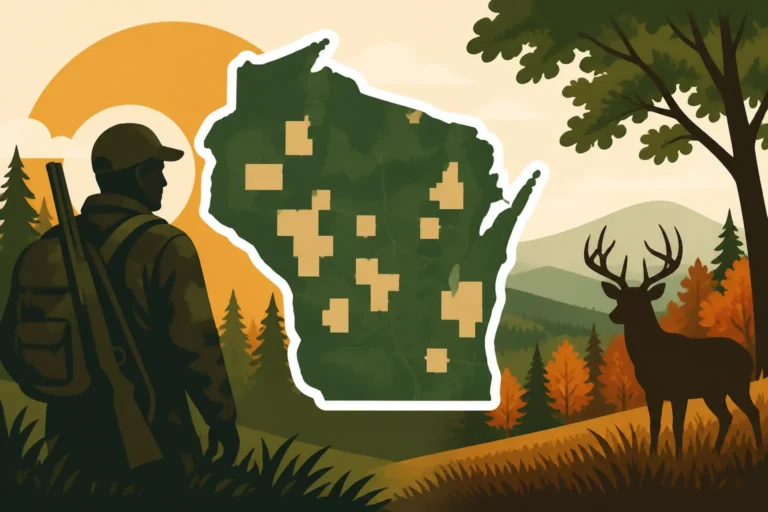
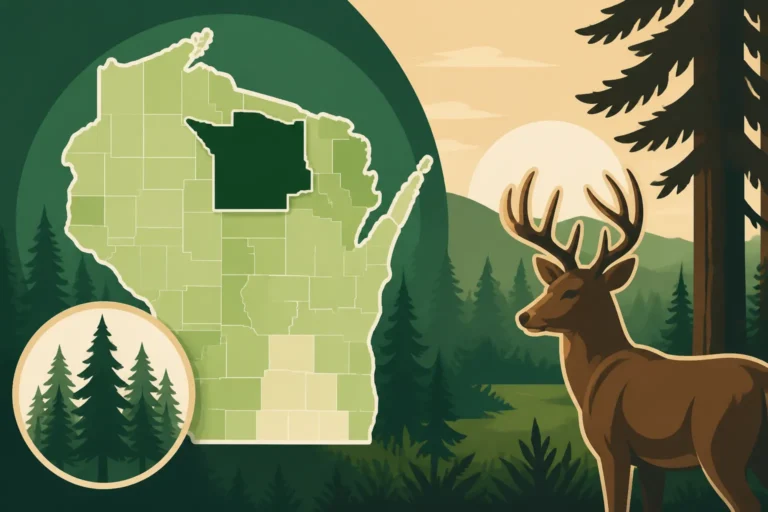
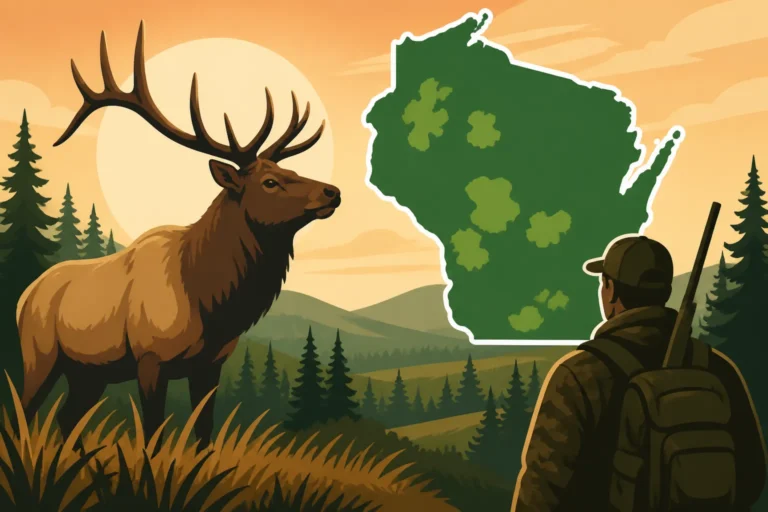
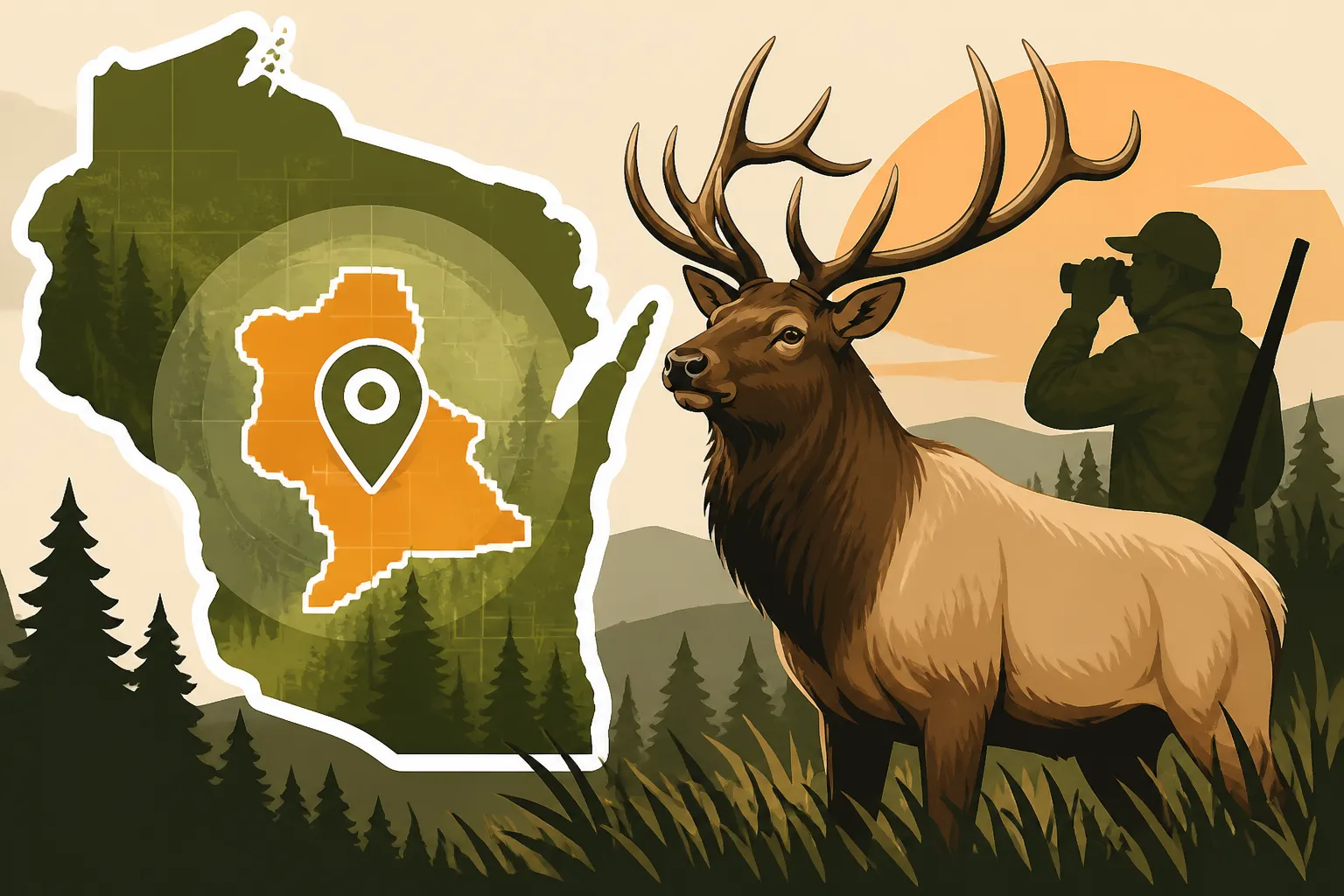
Wisconsin's elk population is a testament to dedicated conservation efforts, and their return to the state's woodlands has been a huge success story. However, unlike deer, elk aren't found statewide. Their populations are concentrated in distinct zones, and understanding these boundaries is the first step in planning your hunt. These zones aren't just arbitrary lines on a map; they represent the core range of our growing herds and dictate where drawn hunters can legally pursue an elk.
The Clam Lake Elk Herd
The Clam Lake Elk Herd, located in the vast expanses of northern Wisconsin, was the original reintroduction site for elk in the state. This herd primarily roams parts of Ashland, Bayfield, Sawyer, and Price counties. When you think of hunting here, imagine dense timber, rolling hills, and a mix of coniferous and deciduous forests. It's truly wild country, often remote, with a landscape that can swallow a hunter whole if you're not prepared.
For those fortunate enough to draw a tag in this zone, the hunting experience is often characterized by long days of walking, glassing clearcuts, and listening for bugles. The sheer size of the habitat means elk can spread out considerably, making scouting an absolutely critical component of success. This area shares many characteristics with traditional northern Wisconsin deer hunting, just on a grander scale when it comes to the quarry. You'll find yourself navigating mature timber, aspen cuts, and swamp edges, similar to what you'd encounter while Hunting the Wisconsin Northern Forest for Deer.
The Black River Falls Elk Herd
Further south, the Black River Falls Elk Herd represents a more recent reintroduction effort, establishing a presence in Jackson County and surrounding areas. This zone presents a different challenge and landscape compared to Clam Lake. Here, you'll encounter a mix of state forest lands, managed forests, and interspersed private parcels, often characterized by pine barrens, oak forests, and wetland complexes.
The terrain in the Black River Falls zone can be flatter in some areas, transitioning into more rolling topography with sandy soils. It's a region known for its unique ecosystem, where controlled burns are sometimes used for habitat management, creating a mosaic of cover and open areas. This diverse habitat means elk might be found in thick pine plantations, along the edges of open fields, or even utilizing the cover provided by some of the extensive wetland systems. Understanding the subtle changes in cover and topography is key here, much like Hunting Wisconsin Clearcuts and Aspen Cuts would require a keen eye for detail.
Elk Zone Boundaries and What They Mean for Hunters
It's absolutely crucial to understand that your elk tag is zone-specific. If you draw a Clam Lake tag, you cannot legally hunt in the Black River Falls zone, and vice-versa. These boundaries are clearly defined by specific roads, rivers, or property lines, and it is your responsibility as the hunter to know exactly where you are at all times.
The Wisconsin DNR provides detailed maps of these zones, and these are your best friend once you've secured a tag. They are not just suggestions; they are legal delineations. Straying outside your assigned zone, even unintentionally, could lead to serious legal repercussions. Before you even think about stepping foot in the woods, take the time to study these maps intently, cross-referencing them with physical landmarks and reliable mapping apps. This meticulous preparation is foundational to a legal and ethical hunt, emphasizing the importance of knowing your exact location, especially in vast wilderness areas where Finding Ground Others Walk Past can be rewarding but also requires precision.
Public Land Opportunities Within Elk Zones
Once you've got your zone down, the next question is, where can you actually hunt? Wisconsin is fortunate to have substantial public land available, and within the elk zones, these areas often form the backbone of the elk habitat. However, not all public land is created equal, and some types of public access come with their own specific rules and nuances.
Chequamegon-Nicolet National Forest Access
For those with a Clam Lake elk tag, the Chequamegon-Nicolet National Forest is your prime hunting ground. This vast national forest encompasses hundreds of thousands of acres of contiguous timberland, offering extensive opportunities for elk hunting. It's a landscape of mixed hardwoods, pine plantations, and numerous small wetlands, providing everything an elk needs: food, cover, and solitude.
Hunting in the national forest means navigating logging roads, two-tracks, and often, no trails at all. Access can be found off county highways and smaller forest roads, but expect to do a lot of walking once you leave the vehicle. Treestands are permitted on national forest land, but usually require removal at the end of each hunting day unless specific regulations allow for longer periods. It's always best to check the current rules. The sheer scale of the Chequamegon-Nicolet National Forest Hunting experience demands a certain level of self-sufficiency and preparation, including being able to find your way back to your vehicle in fading light, perhaps using a reliable GPS unit or mapping app.
State Forests and Wildlife Areas
Both elk zones also contain significant state forest and state wildlife area lands. In the Black River Falls zone, the Black River State Forest is a key public land holding. This forest offers a different feel from the national forest up north, often characterized by extensive pine and oak forests, interspersed with wetlands and managed clearings. These areas are typically well-marked with public land signage, making it a bit easier to determine where you stand, literally.
State wildlife areas, like the Meadow Valley Wildlife Area and Wood County Wildlife Area, can also be found within the broader elk range, particularly in the Black River Falls zone. While these areas are managed primarily for wildlife, their specific regulations for elk hunting can vary. Some might have special restrictions or even managed hunt draws within their boundaries. Always consult the specific rules for any state forest or wildlife area you plan to hunt within, as they can sometimes differ from general statewide regulations. This applies to various game, including waterfowl hunting at places like Horicon Marsh Hunting Access, where very specific regulations are in place.
Managed Forest Law (MFL) and Voluntary Public Access (VPA) Lands
Beyond the major federal and state land holdings, Wisconsin also offers public hunting opportunities on certain private lands through programs like Managed Forest Law (MFL) and Voluntary Public Access (VPA). MFL is a program where landowners receive tax incentives for managing their forest land, and in return, some parcels are designated "open" to public hunting. VPA lands are private parcels where landowners voluntarily open their land to hunting, fishing, and trapping in exchange for an incentive payment.
These programs can provide valuable access, especially in areas where public land might be more fragmented or where elk might be moving between larger blocks of public ground and agricultural fields. It’s important to remember that not all MFL land is open to public access; you must specifically look for parcels designated "open." The same goes for VPA lands. Using the Wisconsin Public Access Lands Maps or mapping apps is essential for identifying these specific parcels. Always respect the boundaries and rules posted by the landowner on MFL or VPA properties, as these are still private lands with permitted public use.
| Public Land Type | Primary Elk Zone | General Characteristics | Access Considerations |
|---|---|---|---|
| National Forest | Clam Lake | Vast, dense timber, remote, mixed hardwoods/conifers | Extensive hiking, logging roads, minimal trails, check specific stand rules |
| State Forest | Black River Falls | Pine/oak forests, wetlands, managed habitat, good signage | Varies by location, generally good road access, specific forest rules |
| Wildlife Areas | Black River Falls | Diverse habitats, managed for specific wildlife, can have special rules | Check specific area regulations, potential for managed draws |
| MFL Open | Both Zones | Private land, tax incentives for forest management, designated "open" | Requires careful map use, respect posted rules, boundary awareness |
| VPA Program | Both Zones | Private land, landowner agreement for public access | Check specific parcels, respect landowner rules, often smaller tracts |
Navigating Access and Regulations
Hunting an animal as magnificent and elusive as an elk requires more than just knowing where they live; it demands meticulous preparation, respect for the rules, and a deep understanding of the land. This is where modern tools and traditional hunting ethics come together.
Utilizing Mapping Tools for Elk Zones
In today's hunting world, digital mapping tools are indispensable, especially when hunting in large, unfamiliar territories like Wisconsin's elk zones. Apps like onX Hunt have revolutionized how hunters navigate public land, identify property boundaries, and understand the terrain. With a good hunting app, you can clearly see the boundaries of the elk zones, distinguish public from private land, and even mark potential elk sign or travel corridors.
Imagine you've identified a promising ridge point deep in the Chequamegon-Nicolet National Forest. With onX Hunt, you can instantly confirm that you're on public land, scout the surrounding terrain for thick cover or feeding areas, and plan your entry and exit routes, all while keeping tabs on any nearby private parcels. These tools become even more critical when hunting MFL or VPA lands, where property lines can be intricate. The ability to overlay ownership data on topographical maps helps you avoid accidental trespass, which is not only illegal but can also jeopardize future public access programs. Similarly, platforms like GoHunt can provide crucial information on application strategies and public land access research, helping you plan well in advance of your hunt. For complex terrain, learning to interpret features like Reading a Ridge Point for Deer Movement is vital, and mapping apps greatly assist in this.
Specific Regulations and Hunter Safety
Beyond the general hunting regulations, elk hunting in Wisconsin comes with its own set of rules. These include specific legal firearms, blaze orange requirements (which may differ from general deer season rules), and carcass transportation guidelines, particularly concerning Chronic Wasting Disease (CWD) if you're traveling through CWD-affected areas. While the elk herds are not currently in areas with high CWD prevalence, understanding Wisconsin Carcass Transport Rules is still important for any big game hunter.
Hunter safety is paramount. Given the remote nature of some elk habitat, especially in the Clam Lake zone, being self-sufficient and prepared for emergencies is critical. Carry a first-aid kit, know how to use it, and always let someone know your hunting plan, including your intended route and expected return time. Familiarize yourself with Wisconsin Legal Shooting Hours and ensure all your gear, from your rifle to your boots, is in top condition for what could be a physically demanding hunt.
Respecting Private Land Boundaries
Even with ample public land, Wisconsin's elk zones are not exclusively public. You will encounter private land, sometimes interwoven with public parcels. It is your absolute responsibility to know where those property lines are and to respect them. Accidental trespass can easily happen, especially in thick timber or when tracking a wounded animal. Always carry a reliable map, whether digital or physical, that clearly shows property ownership.
If an elk leads you onto private land, you generally need to seek permission from the landowner before retrieving your animal. This is a common courtesy and a legal requirement. Having a plan for this contingency, and even pre-identifying landowners in areas you intend to hunt, can save a lot of stress during the excitement of a retrieve. The goal is to be a responsible and ethical hunter, maintaining positive relationships with landowners and ensuring continued access for everyone in the future. Knowing What Wisconsin Trespass Law Requires is not just good practice, it's essential for all hunters.
Disclaimer
This article is for general informational purposes only and does not constitute professional advice. Laws, prices and regulations vary by location and change over time. Consult a qualified professional for guidance on your specific situation.