Vilas and Oneida County Hunting Access
Trying to find a solid public hunting spot in the vast northern forests of Wisconsin can feel like searching for a needle in a haystack, especially when you're looking at specific counties like Vilas and Oneida. With so much dense timber, countless lakes, and a mix of public and private land, it's easy to get overwhelmed. This guide is here to untangle the complexities of hunting access in these beautiful, wild counties, helping you pinpoint where to go and how to navigate these incredible landscapes.
Understanding the Landscape of Vilas and Oneida Counties
Vilas and Oneida counties, nestled deep in the northern reaches of Wisconsin, represent a true Northwoods experience. Unlike the rolling farmlands of the southern part of the state or the bluff country of the Driftless Area, these counties are defined by their expansive forests, pristine lakes, and numerous wetlands. This unique topography dictates not only where game animals live but also how hunters can access and pursue them. It's a different kind of hunting challenge, often requiring more boots-on-the-ground scouting and an appreciation for vast, wild places.
Forested Dominance and Water Features
The overwhelming characteristic of Vilas and Oneida counties is their incredible forest cover. We're talking about huge tracts of mixed hardwoods, conifers, and dense cedar swamps. These aren't just pretty trees; they are the lifeblood of the local wildlife. Whitetails find cover and browse, black bears forage for mast and berries, and ruffed grouse thrive in the aspen and young timber. The sheer density of the woods means visibility can be limited, and navigating without a good map and compass (or a reliable GPS unit) is asking for trouble.
Beyond the trees, the landscape is dotted—no, saturated—with lakes and flowages. Vilas County, for instance, famously boasts over 1,300 lakes! While many of these are too large or developed to offer direct hunting opportunities, their presence creates natural barriers and funnels for wildlife. River systems and countless smaller wetlands also weave through the forests, creating critical habitat and travel corridors, especially for waterfowl and furbearers. Understanding how these water features interact with the forest is key to predicting game movement. This dense, interconnected system of land and water is a significant factor in shaping the hunting opportunities and challenges you'll encounter here.
Public and Private Land Dynamics
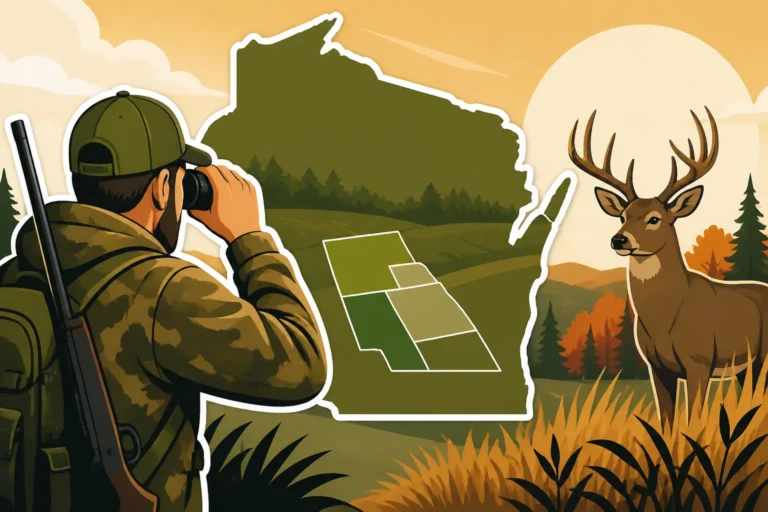
One of the biggest frustrations for hunters everywhere is figuring out land ownership, and it's no different in Vilas and Oneida. While these counties have a reputation for extensive public lands, there's still a complex mosaic of private parcels interspersed throughout. You might find a large tract of public forest suddenly interrupted by a small private cabin or a posted hunting club property. Respecting private land boundaries is not just a courtesy; it's the law. This is where modern mapping applications really shine. Tools like onX Hunt have become indispensable for identifying property lines in real time, helping you avoid accidental trespass and ensuring you stay on accessible ground. Without such tools, navigating these mixed landscapes safely and legally would be incredibly difficult. Always double-check your position, especially when moving into a new area.
Key Public Hunting Lands in Vilas and Oneida
When you're looking to hunt in Vilas and Oneida, you're primarily going to be focusing on a few major categories of public land. These areas offer diverse opportunities, from sprawling forests for deer and bear to specific covers for grouse and woodcock. Understanding the character of each type of land will help you plan your hunts effectively and know what to expect.
Northern Highland-American Legion State Forest
The crown jewel of public hunting in this region is undoubtedly the Northern Highland-American Legion (NHAL) State Forest. This massive forest, encompassing hundreds of thousands of acres across Vilas, Oneida, and Iron counties, is one of the largest continuous blocks of public land in Wisconsin. For hunters seeking a true wilderness experience, this is the place. It offers immense opportunities for Hunting the Wisconsin Northern Forest for Deer, black bear, ruffed grouse, and even occasional snowshoe hare.
Access throughout the NHAL is generally good, with a network of maintained roads, seasonal roads, and older logging trails. However, "good" is relative here; many of these roads are gravel or dirt, and during wet periods or winter, some might require a vehicle with good clearance or even four-wheel drive. Always be sure to check road conditions, especially if you plan to venture deep off the main arteries. The sheer size of the NHAL means you can truly get away from other hunters if you're willing to walk. While popular spots near main access points might see pressure, a little effort will often put you into undisturbed country. Knowing Where Northern Forest Bucks Bed can give you a significant advantage in these vast areas. Remember that tree stands and ground blinds on state land usually have specific rules about how long they can be left unattended, so always check the current regulations.
County Forests
Beyond the state forest, both Vilas and Oneida counties manage significant tracts of public land known as County Forests. These lands are incredibly important for providing additional hunting access and are often managed differently from state forests, sometimes with a heavier emphasis on timber production, which can create excellent wildlife habitat. Wisconsin County Forest Hunting offers a diverse experience.
Vilas County Forest and Oneida County Forest are extensive, covering tens of thousands of acres. These lands are typically managed by the respective county forestry departments, and while general state hunting regulations apply, there might be specific local ordinances regarding things like ATV use, camping, or even specific hunting methods in certain areas. It's always a good idea to check the county's website or contact their forestry department directly for any localized rules before you head out. These forests often feature a mix of mature timber, recent clear-cuts, and regenerating stands, all of which provide different types of habitat. Recent timber sales, for example, can create fantastic cover and browse for deer and prime drumming grounds for grouse. Don't overlook the potential of these county-managed lands; they can offer fantastic hunting opportunities, sometimes with less pressure than the more famous state forest lands.
Other Public Access Points
While NHAL and the County Forests are the main attractions, there are other, smaller pockets of public land that can be worth exploring. These might include State Wildlife Areas, State Natural Areas (though hunting can be restricted in some SNAs, so check carefully), and even some scattered federal lands managed by the Chequamegon-Nicolet National Forest if you're on the very edges of Oneida County.
The Wisconsin DNR's Public Access Lands (PAL) mapping tool, often integrated into apps like the Using the Wisconsin Hunt Wild App or third-party mapping solutions like onX Hunt, is your best friend for finding these lesser-known spots. These tools can highlight smaller parcels of public land that might be tucked away or offer unique access to wetlands or specific habitat types. While some of these smaller areas might receive higher pressure due to their size or proximity to population centers, others can be overlooked gems. It's all about doing your homework and scouting, both digitally and on the ground. Always verify the rules for any specific area, as designated wildlife areas might have different regulations for dog training, baiting, or vehicle access.
Navigating and Scouting These Northern Lands
Hunting in Vilas and Oneida counties is often about more than just showing up on opening day. The dense forests, complex terrain, and sheer scale of the public lands demand thorough preparation. Knowing how to navigate effectively and what to look for when scouting can make all the difference between a frustrating trip and a successful hunt.
The Indispensable Role of Mapping Tools
Gone are the days when a paper map and compass were your only reliable guides in the Northwoods. While those traditional tools are still essential backups, modern mapping applications have revolutionized how we find and hunt public land. For Vilas and Oneida counties, an app like onX Hunt is truly invaluable. It provides detailed satellite imagery, topographic maps, and, most critically, clearly delineated public and private land boundaries. This means you can confidently identify where you can legally walk, hunt, and set up your stand. You can mark waypoints for potential stand sites, rubs, scrapes, or good game trails, and even track your movements to avoid getting turned around in dense cover.
Another excellent resource is GoHunt, which also offers robust mapping features and often integrates additional data useful for hunters. These apps allow you to download maps for offline use, which is critical in areas where cell service is spotty or nonexistent – a common scenario in much of northern Wisconsin. Before you leave home, spend time studying the maps. Look for changes in timber type, elevation contours that might reveal subtle ridges or drainages, and potential travel corridors. Identify logging roads, old trails, or even power lines that might offer easier access deep into the woods. A little armchair scouting with these tools can save you countless hours of unproductive walking.
Reading the Terrain and Habitat
The terrain in Vilas and Oneida, while not as dramatic as the bluff country to the south, still offers plenty of features that influence wildlife movement. Learning to "read" this landscape is a skill that comes with practice.
- Cedar Swamps: These dense, often impenetrable areas are crucial thermal and security cover for deer, especially during harsh winters. Bucks will often bed down in the thickest parts of these swamps. They can also be fantastic spots for bear sign.
- Aspen and Young Timber: Look for areas with regenerating aspen, birch, or oak. These younger forest stands provide essential browse for deer and are prime habitat for ruffed grouse. Identifying recent clear-cuts or timber harvest areas can lead you to excellent Grouse Hunting Wisconsin Aspen Cover.
- Ridges and Drainages: Even subtle elevation changes create natural funnels. Deer will often travel along the tops of ridges or utilize the bottoms of drainages to avoid detection. Understanding Reading a Ridge Point for Deer Movement can be incredibly helpful in positioning yourself effectively.
- Transition Zones: The edges where one habitat type meets another (e.g., hardwoods meeting a cedar swamp, or an aspen stand bordering a pine plantation) are often prime locations for game movement, as animals transition between feeding, bedding, and watering areas.
When Scouting Wisconsin Public Land Before Season, look for these features. Pay attention to fresh tracks, rub lines, and droppings. In the fall, search for oak trees dropping acorns, as these are critical food sources. For bear, look for overturned rocks, claw marks on trees, or scat.
Effective Scouting Strategies
Digital scouting with your mapping app is a great start, but there's no substitute for boots on the ground. Early season, before the leaves fully drop and well before hunting pressure begins, is an excellent time for scouting.
- Pre-Season Hikes: Walk through areas that look promising on your map. Confirm access routes, identify potential stand trees, and look for fresh sign. Take note of bedding areas, feeding locations, and the trails connecting them.
- Trail Cameras: Deploying trail cameras can give you valuable insights into what animals are using an area and when. This is particularly useful for patterning deer and bear. Be sure to check state land regulations on trail camera placement, as rules can vary. For example, some areas might prohibit leaving cameras unattended for extended periods.
- Focus on the Less Obvious: Many hunters stick to easy-access areas near roads. To find less-pressured animals, be willing to walk further or venture into thicker, less inviting cover. Sometimes, just walking an extra half-mile can put you into a completely different hunting experience.
- Wind and Thermals: In northern Wisconsin's varied terrain, understanding wind and thermals is crucial. In general, thermals rise in the morning and fall in the evening. Combine this with the prevailing wind to choose stand locations that keep your scent out of the primary game movement corridors.
Challenges and Considerations for Hunting in Vilas and Oneida
Hunting in Vilas and Oneida counties offers an incredible experience, but it also comes with its own unique set of challenges. Being prepared for these can make your trip much more enjoyable and successful.
Hunting Pressure and Solitude
While Vilas and Oneida counties boast vast public lands, they are also popular hunting destinations, particularly during the peak of deer season. Opening Weekend Tactics in Wisconsin often involve navigating higher concentrations of hunters, especially near easily accessible roads and parking areas. The challenge becomes finding solitude, which often means being willing to walk farther, explore thicker cover, or hunt during less popular times of the season.
During the nine-day gun deer season, many hunters flock to these northern woods, often with established deer camps and traditions. If you're looking to escape the crowds, consider still-hunting deeper into the Northern Highland-American Legion State Forest or focusing on areas of County Forest that might be harder to reach. Hunting outside of the main gun season, such as during the extended archery or Muzzleloader Deer Hunting in Wisconsin seasons, can also offer a more tranquil experience. Even during busy times, remember that most hunters don't venture far from a vehicle, so pushing a bit deeper can often put you in front of less-pressured animals.
Navigating Weather Extremes
Northern Wisconsin weather is legendary for its unpredictability and severity, especially during hunting season. Hunters need to be prepared for anything, from crisp, sunny fall days to brutal cold and heavy snow.
- Early Season (Archery): September and October can bring pleasant temperatures, but also warm, humid days or sudden cold snaps. Managing scent is critical in warmer weather, and knowing how to properly care for harvested meat to prevent spoilage is vital. Coolers and game bags for early archery are essential.
- Late Fall (Gun Season through Late Archery): This is when things can get truly challenging. Temperatures can plummet, and deep snow is a common occurrence. Layering properly with good quality wool or synthetic base layers is key for Cold Weather Sitting Strategy. Insulated, waterproof boots are non-negotiable for keeping your feet warm and dry when traversing swamps and snow. Keeping a muzzleloader dry in wet snow is also a real consideration for late-season hunts. Always pack extra layers, emergency fire-starting supplies, and a headlamp for walking out after dark, as legal shooting hours extend into twilight.
A sudden snowstorm can completely change the hunting landscape, making tracking easier but travel harder. Always let someone know where you're going and when you expect to return, especially if you're venturing into remote areas.
Baiting and Feeding Bans
A significant consideration for hunters in Wisconsin, particularly in the northern counties, are the rules surrounding Chronic Wasting Disease (CWD) and its impact on baiting and feeding deer. While CWD was initially concentrated in southern Wisconsin, its detection in new counties can trigger baiting and feeding bans. These rules are subject to change based on new detections, and it's absolutely crucial to check the most current regulations for Vilas and Oneida counties before you plan your hunt.
Baiting, which involves placing food (like corn, apples, or molasses blocks) to attract deer, has long been a common practice in parts of Wisconsin. However, in areas with CWD concerns, baiting is prohibited because it concentrates deer, increasing the risk of disease transmission. If a county has a baiting ban in place, you cannot use any form of bait or feed. This means hunters must rely on natural food sources, scouting, and traditional hunting methods. Hunting Deer Without Bait in Wisconsin requires a different approach, focusing on identifying natural browse, mast crops (like acorns), and bedding areas. Always consult the Wisconsin DNR's website for the most up-to-date information on baiting and feeding bans in your specific hunting zone. Ignoring these regulations can result in hefty fines and penalties.
| Public Land Type | Key Characteristics | Primary Game Species | Access & Navigation Notes |
|---|---|---|---|
| Northern Highland-American Legion State Forest | Vast, continuous forest, numerous lakes and wetlands, diverse timber types. | Deer, Bear, Grouse, Woodcock, Hare | Extensive network of roads (some seasonal/gravel), opportunities for deep woods hiking. Cell service can be spotty. |
| Vilas & Oneida County Forests | Managed by respective counties, often feature active timber management (clear-cuts, young growth), scattered parcels. | Deer, Grouse, Bear, Small Game | Good road access, some designated ATV trails. Rules may vary slightly by county. |
| State Wildlife Areas/Natural Areas | Smaller, often focused on specific habitats (e.g., wetlands for waterfowl or unique forest types). | Varies by area (Deer, Waterfowl, Upland Birds) | Check specific rules; some areas may have limited access or method restrictions. |
| Voluntary Public Access (VPA) Lands | Privately owned lands enrolled in a program to allow public hunting. Less common in deep Northwoods but worth checking. | Deer, Turkey, Small Game | Signage indicates access. Always confirm boundaries with a mapping app. |
Successfully hunting in Vilas and Oneida counties is about preparation, patience, and a deep appreciation for the Northwoods. By understanding the lay of the land, utilizing modern tools, and respecting the rules and the environment, you're well on your way to a memorable Wisconsin hunting adventure.
Disclaimer
This article is for general informational purposes only and does not constitute professional advice. Laws, prices and regulations vary by location and change over time. Consult a qualified professional for guidance on your specific situation.